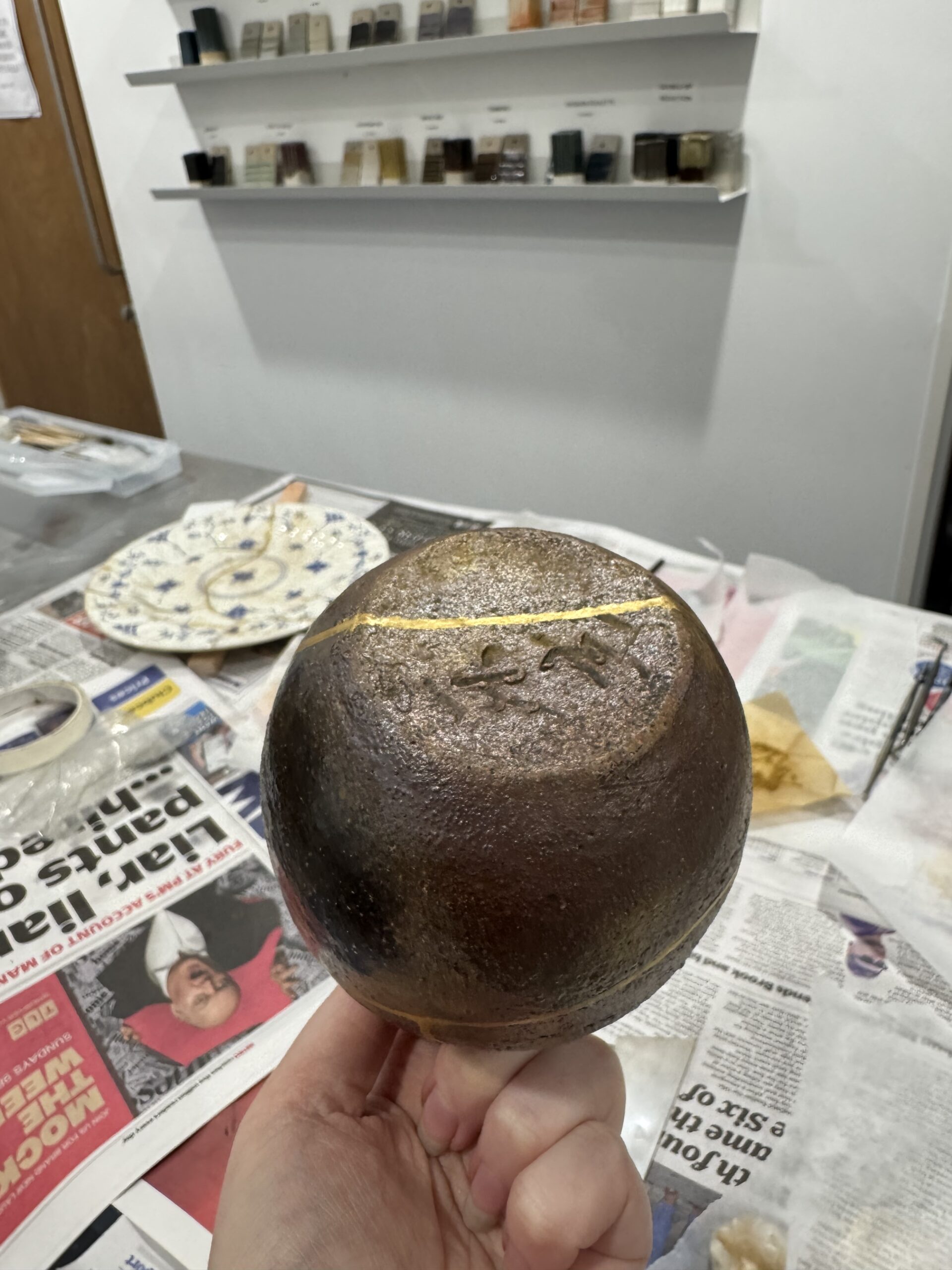
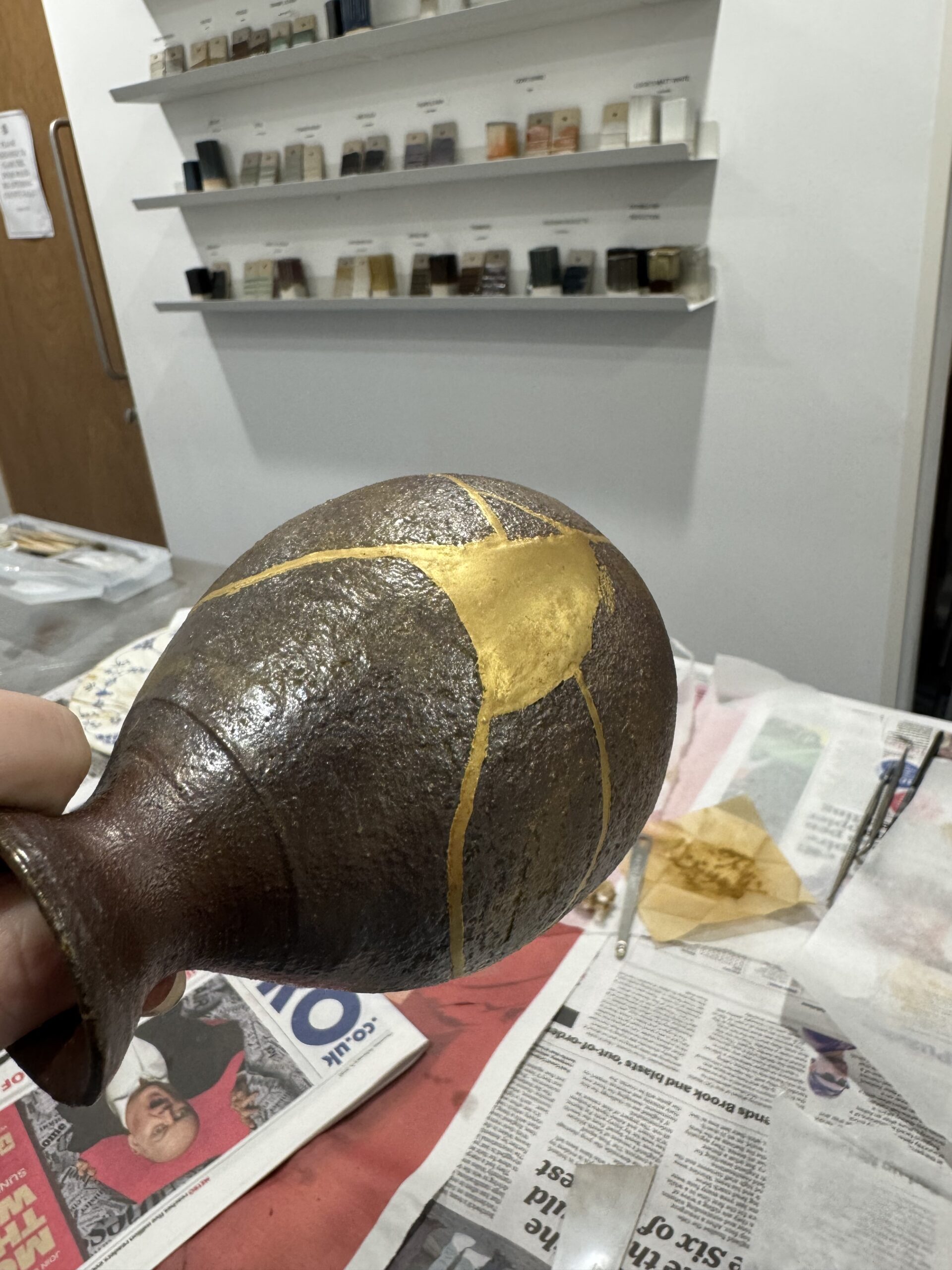
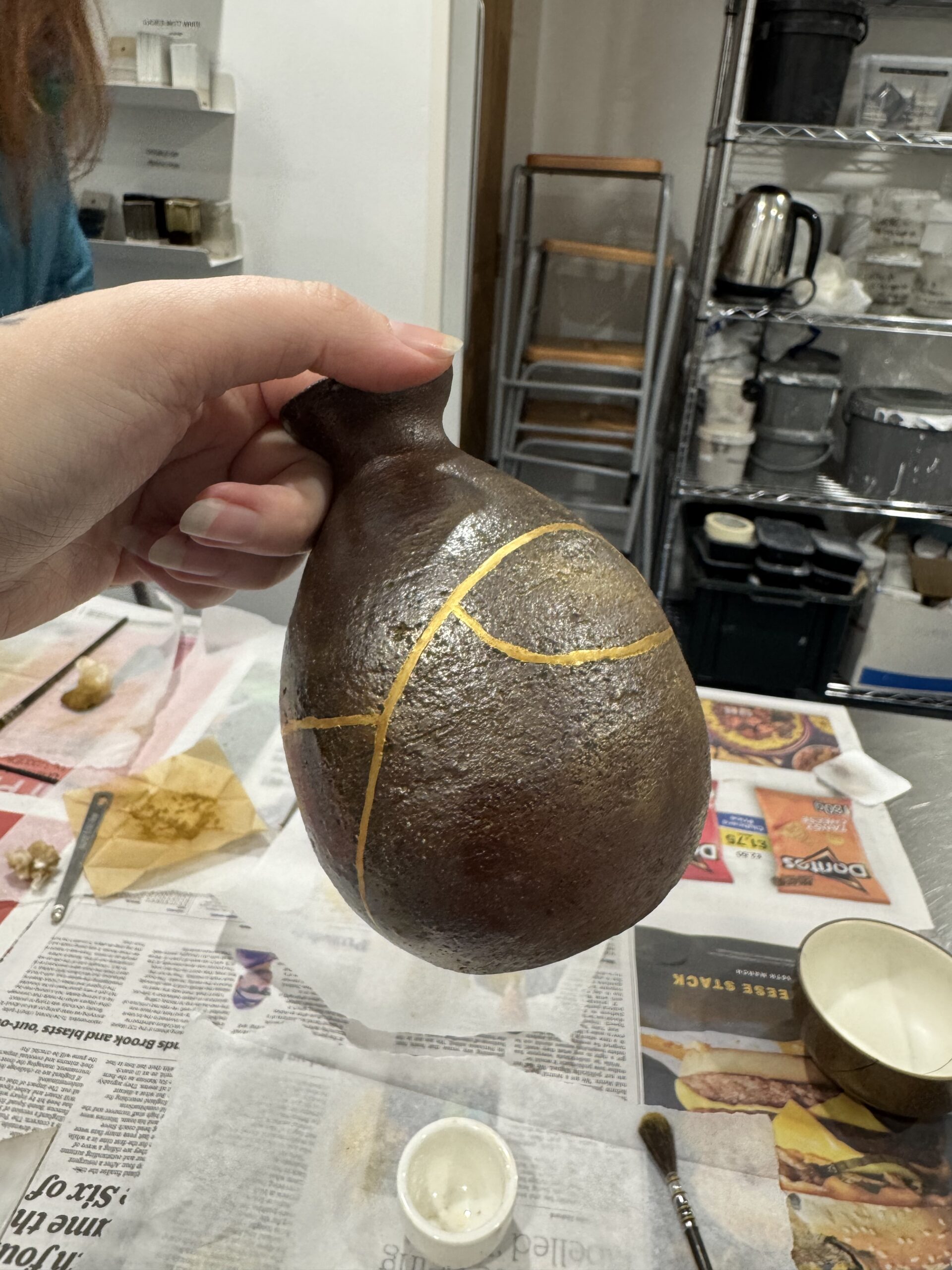
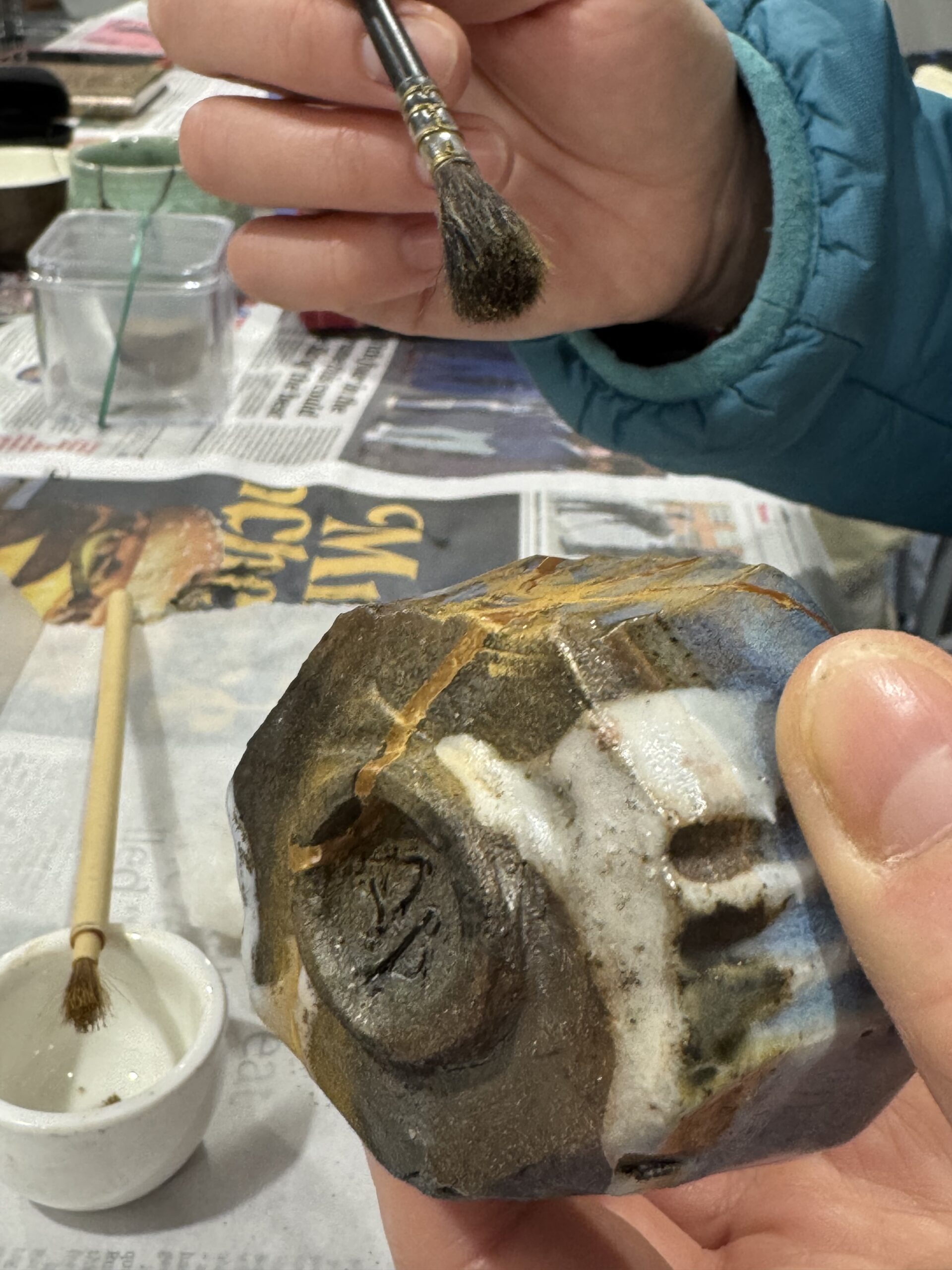
Description
Masterclass: Kira Smith – The Art of Repair: A Traditional Kintsugi Workshop
County Hall Pottery, London
Dates: Saturday 26 September – Saturday 21 November
Times: 10am–1pm each Saturday
Early Bird price: £450 (Until 01.09.2026)
Price: £500 per person
Duration: 9-week masterclass
Short Introduction
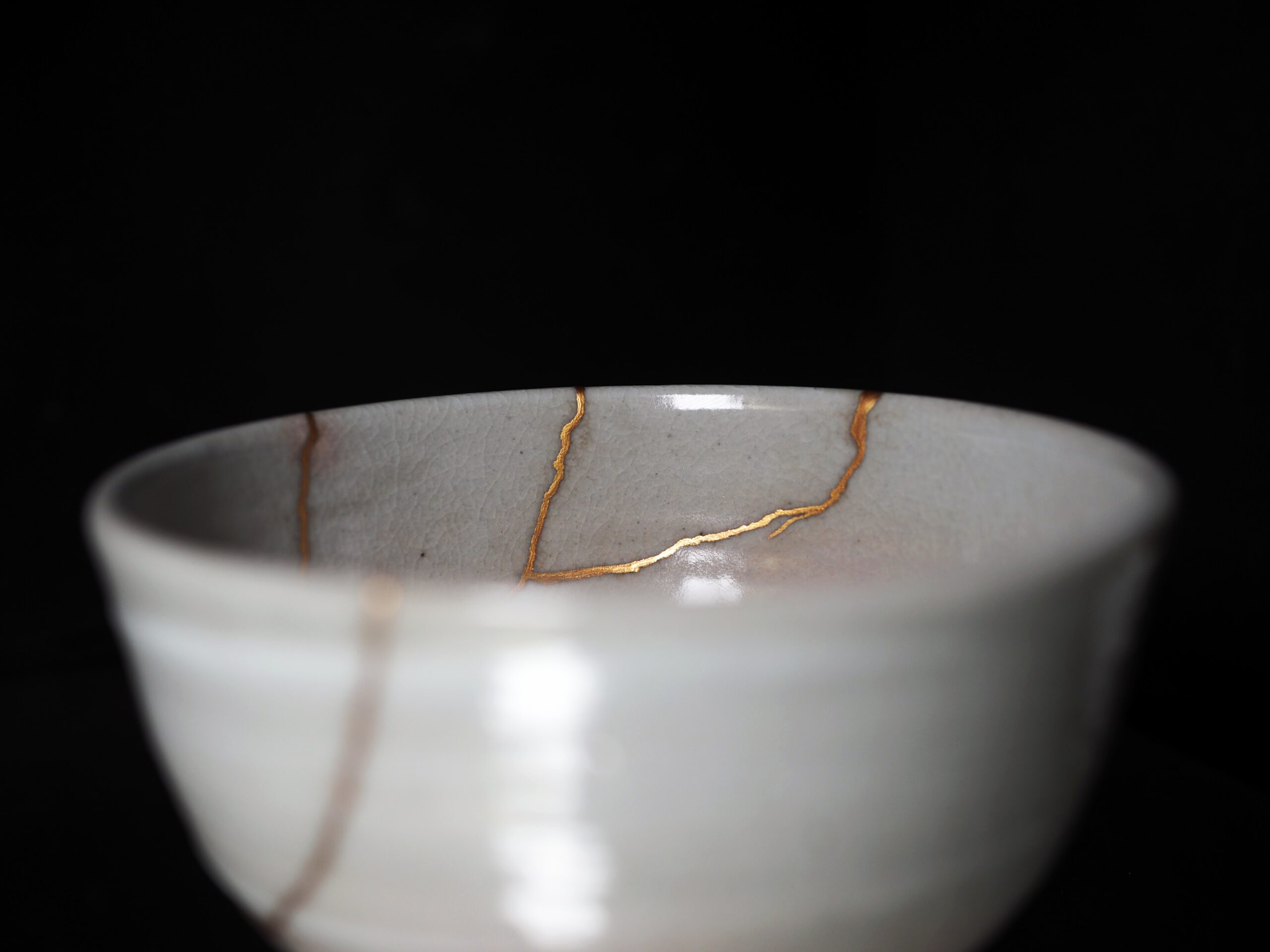
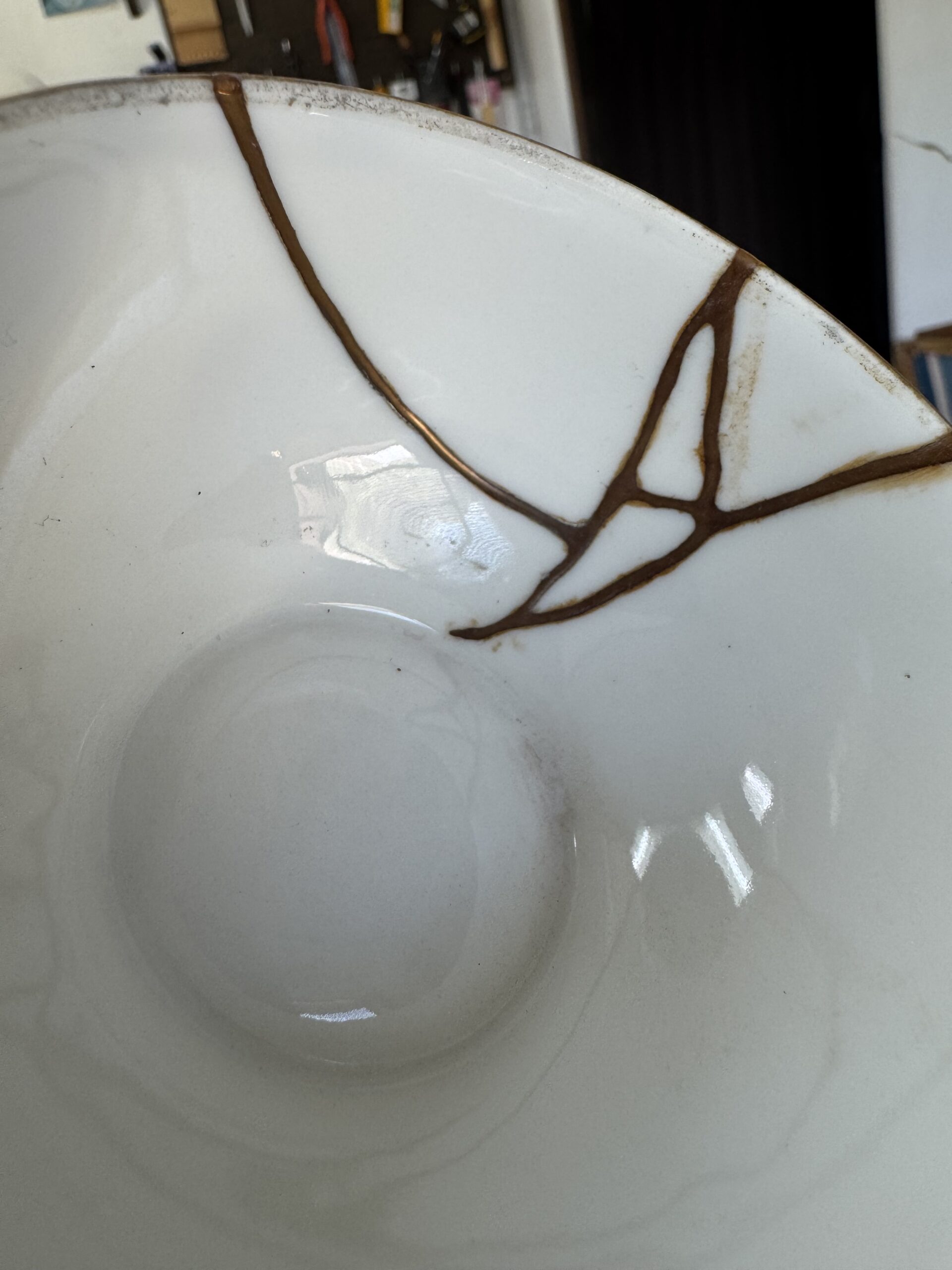
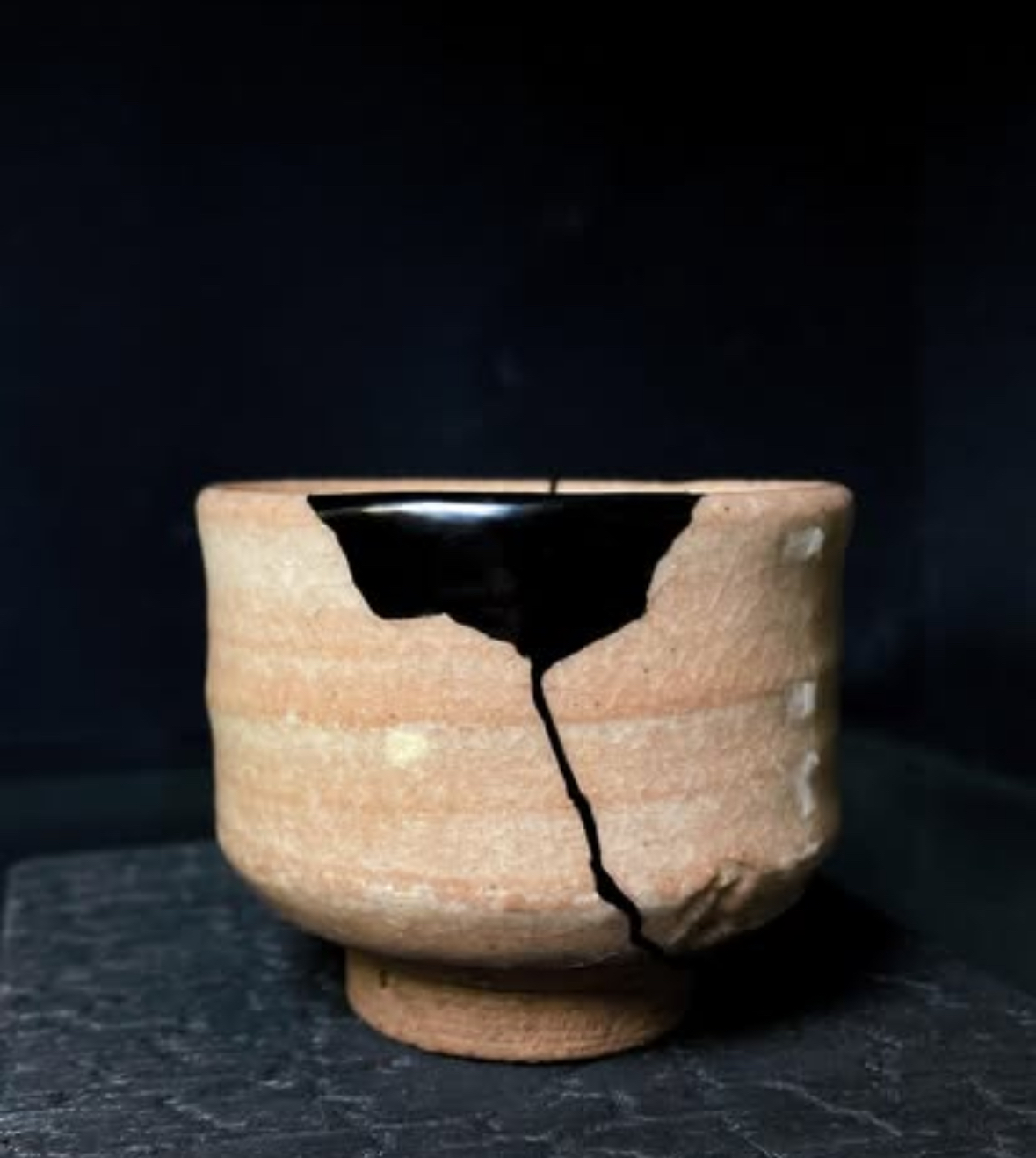
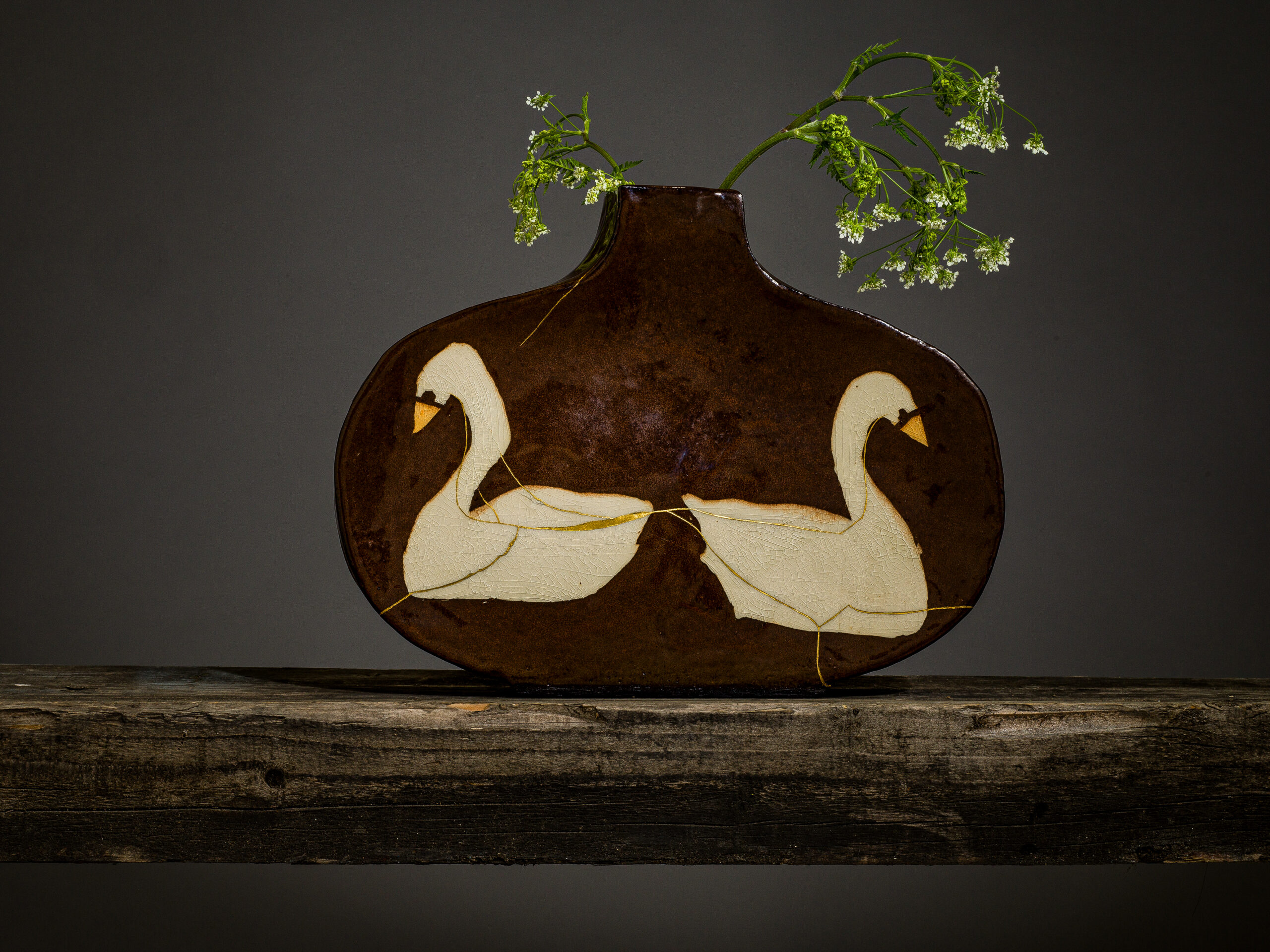
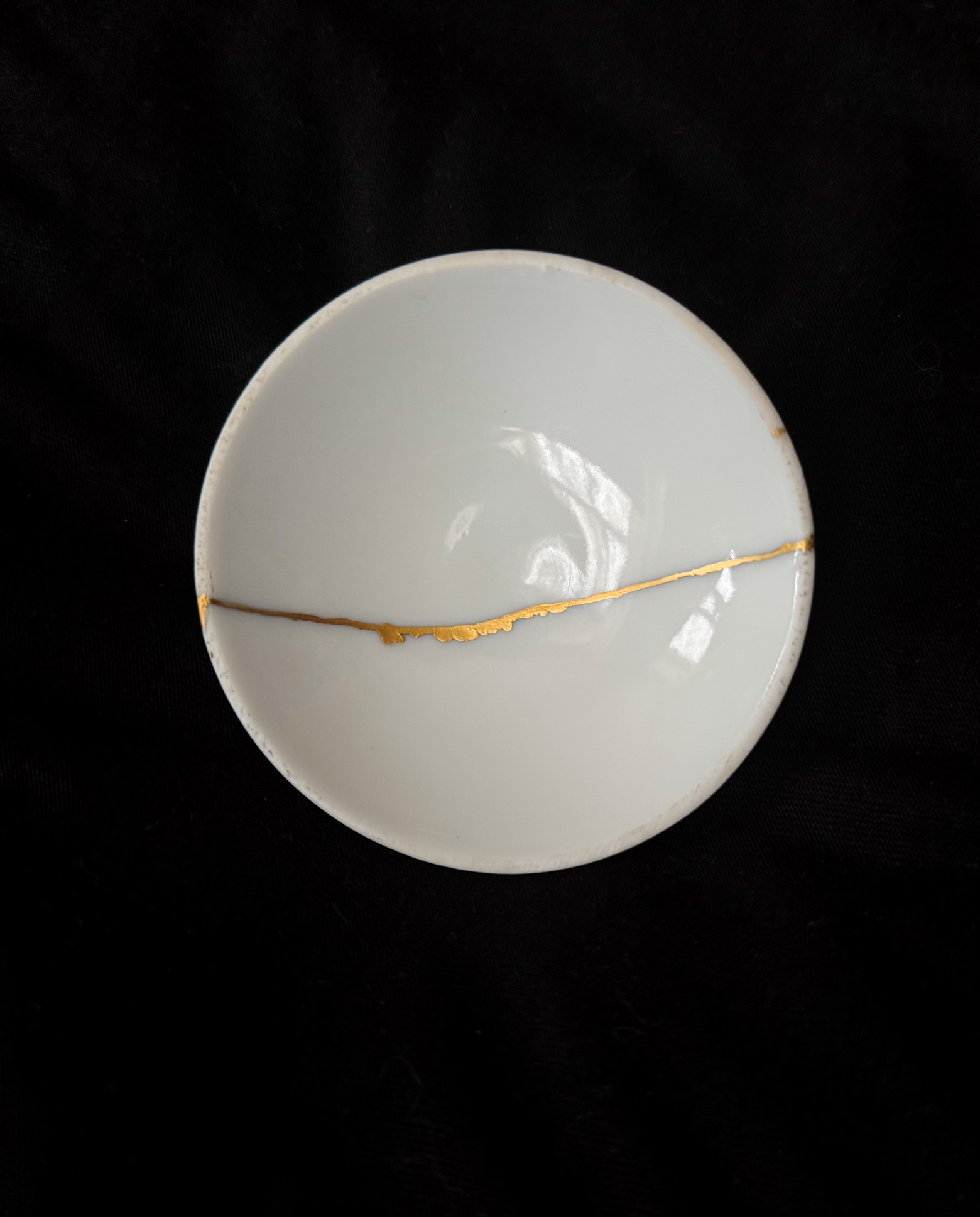
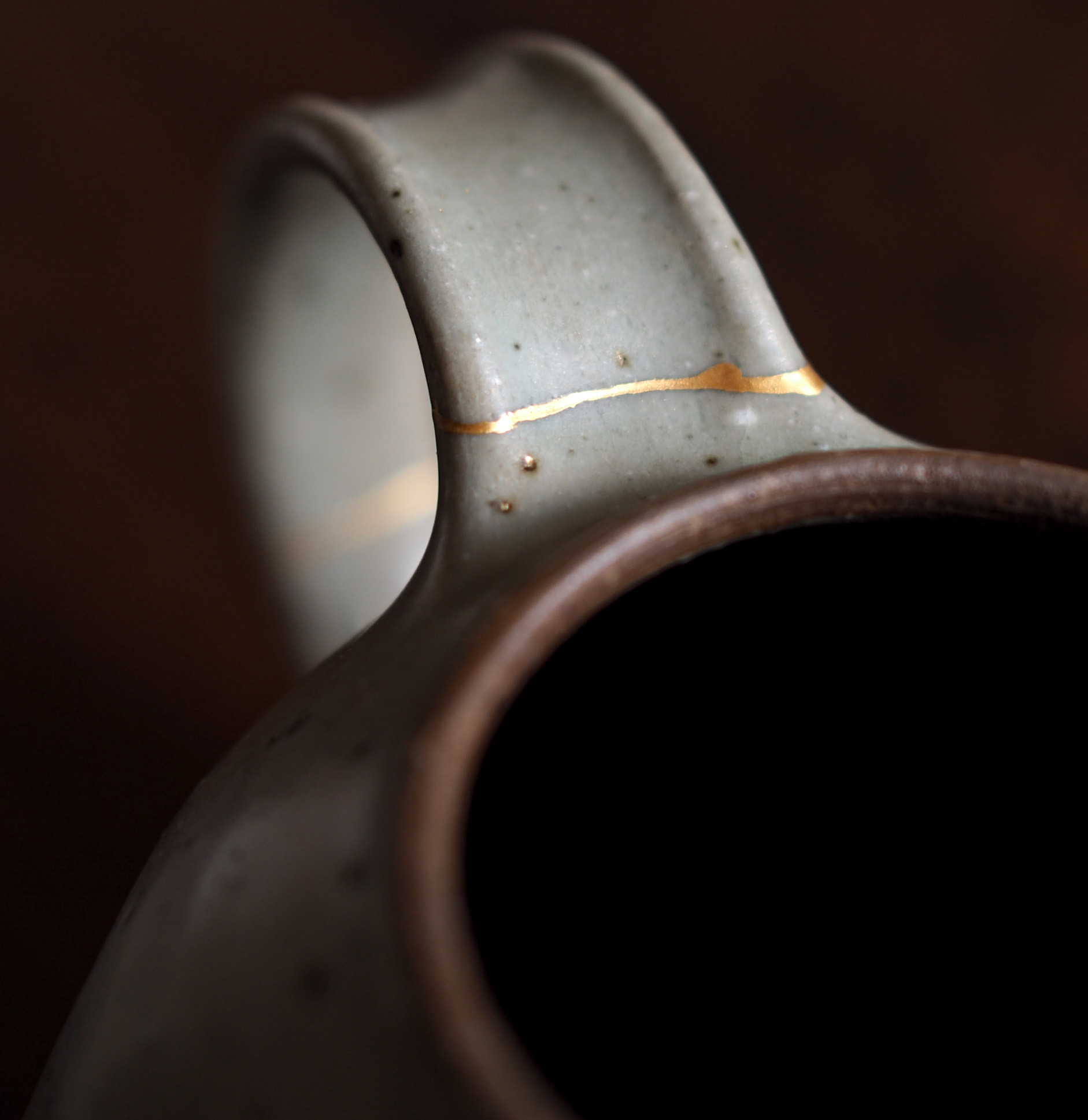
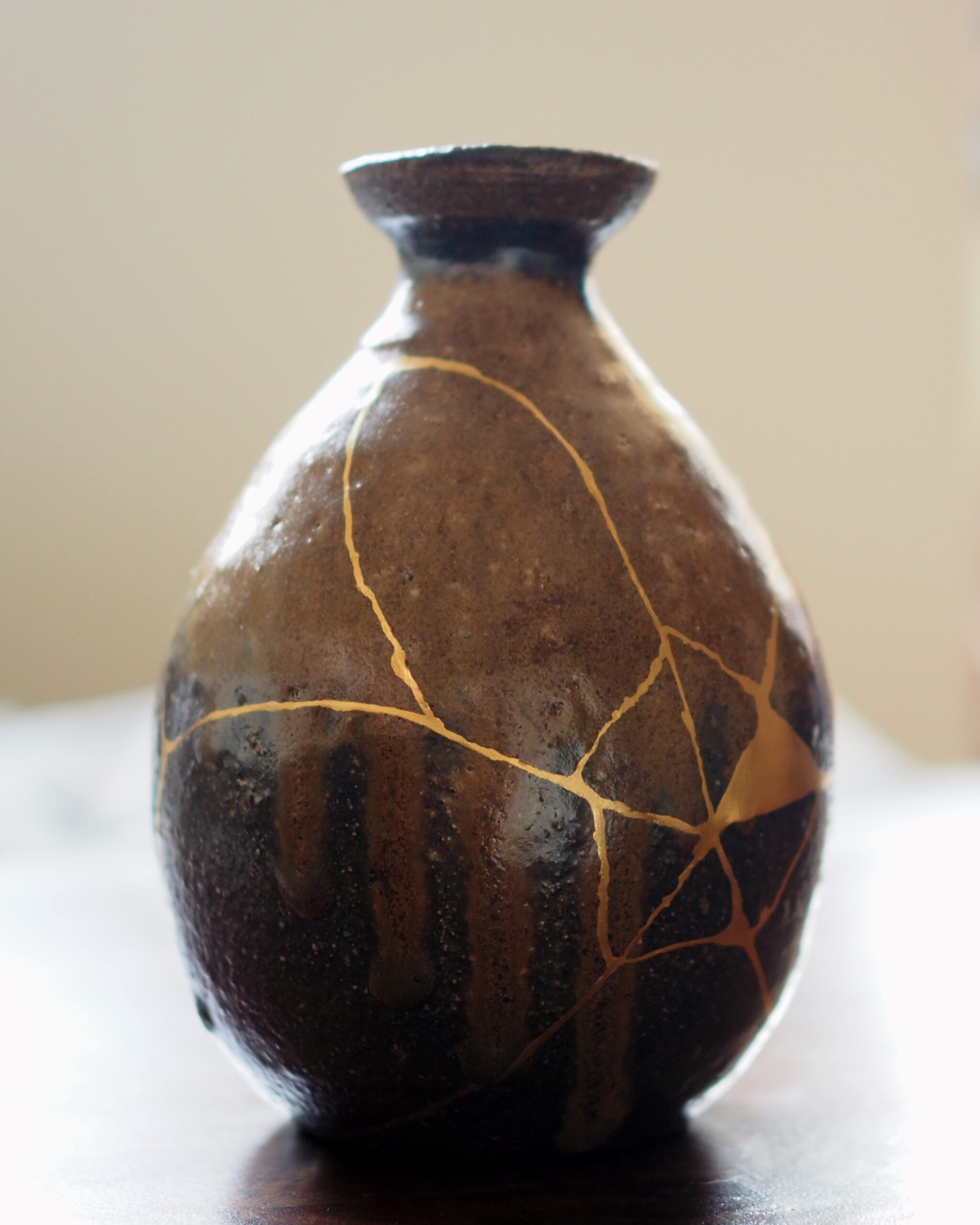
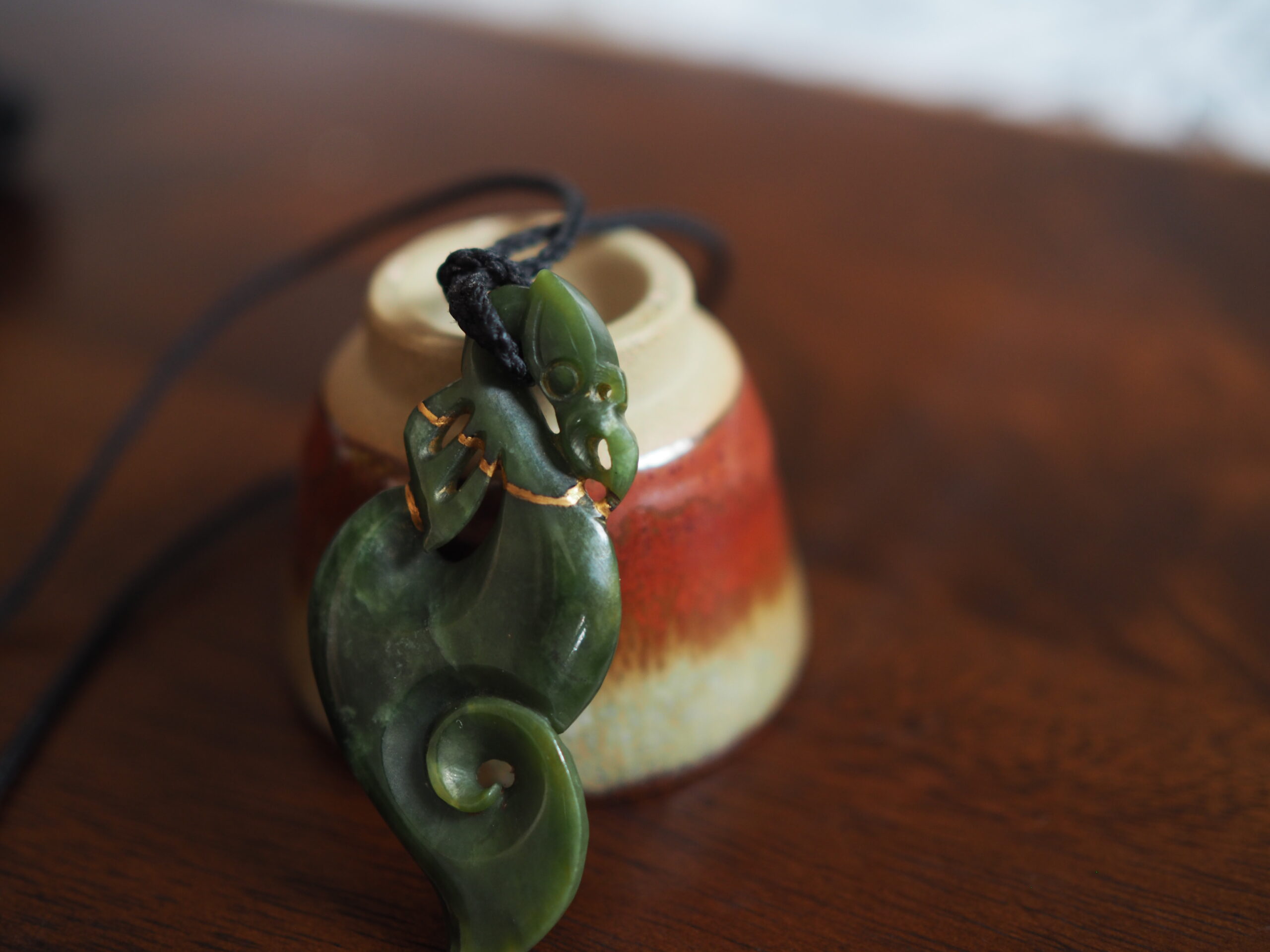
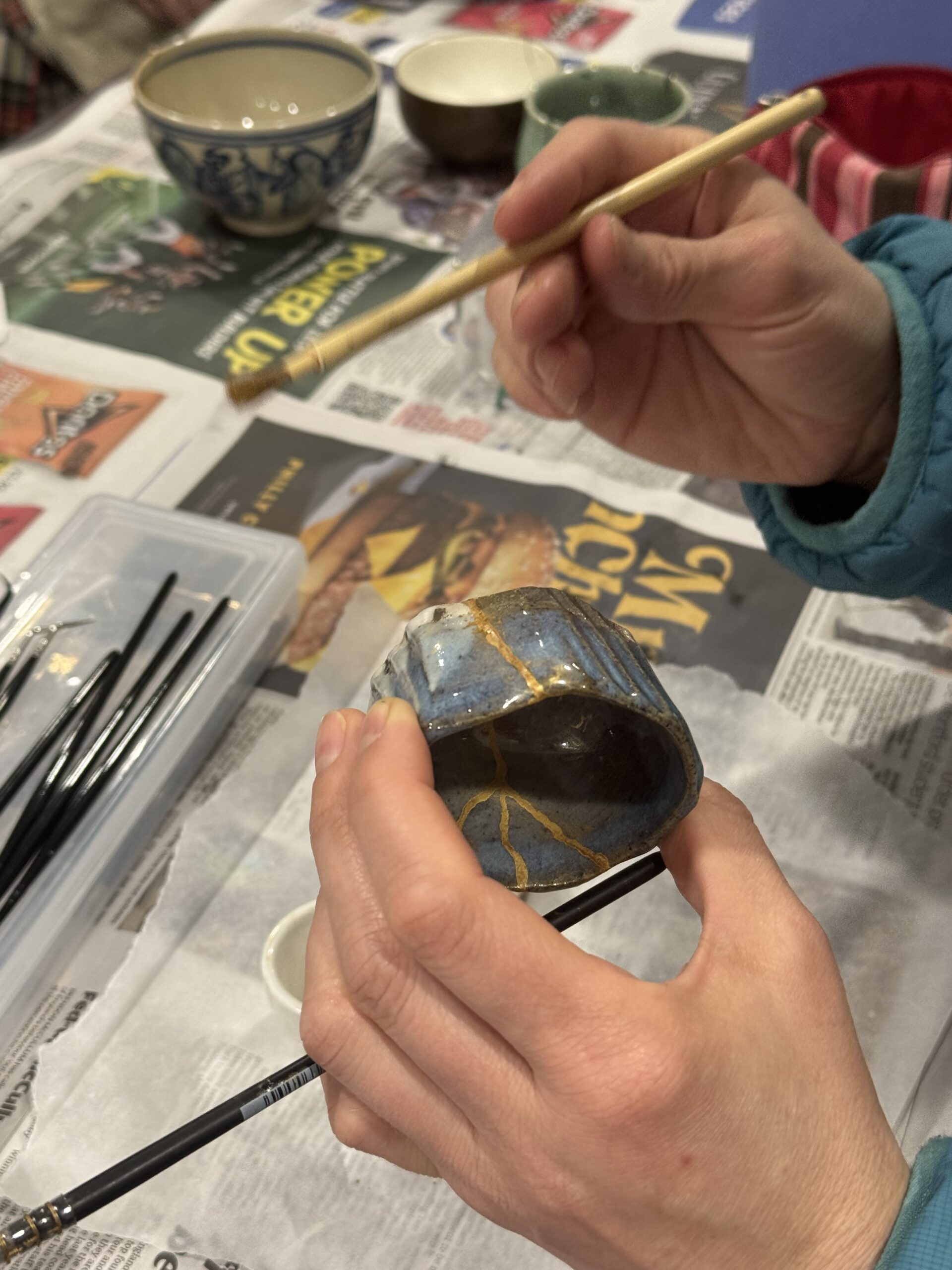
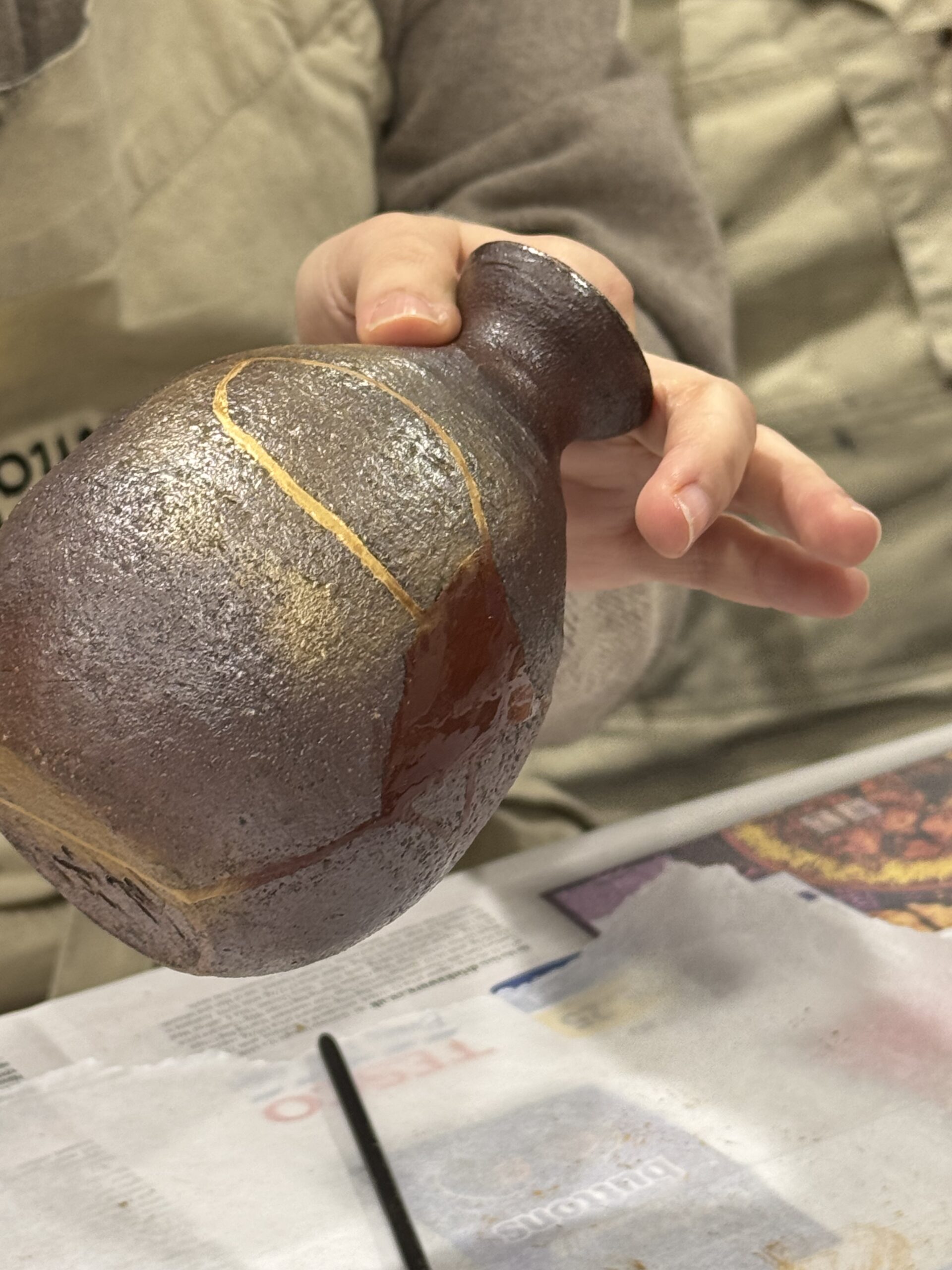
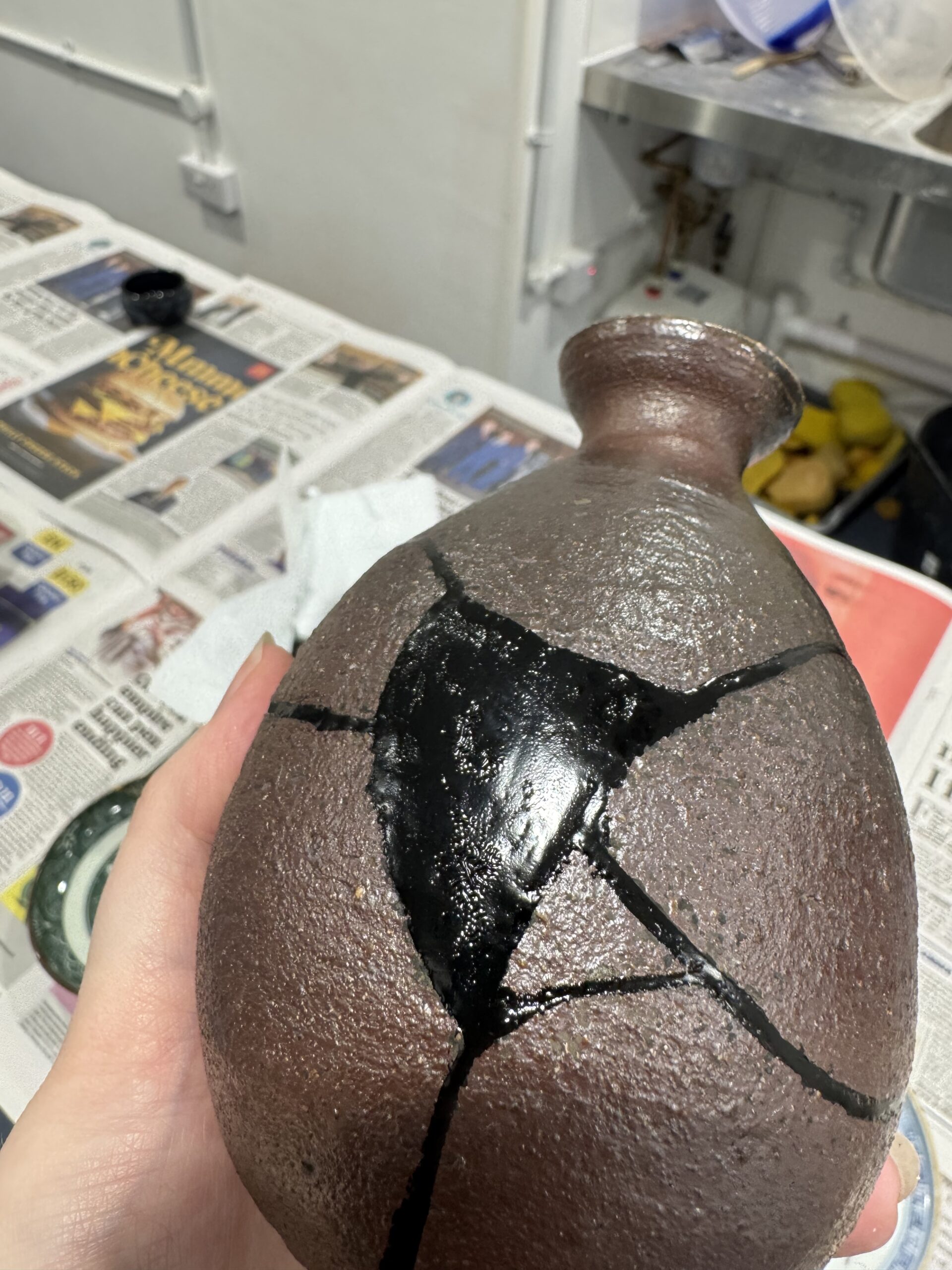
Join Kira Smith for a nine-week traditional kintsugi masterclass exploring the art, philosophy, and meticulous craft of ceramic repair using authentic materials and methods. Over the course of the programme, participants will be guided through the full kintsugi process, from preparing and bonding broken ceramic fragments to building, refining, polishing, and finishing seams with urushi lacquer and real precious metal.
Kintsugi is more than a repair technique: it is a philosophy of beauty in imperfection, patience, and transformation. This intensive masterclass is suitable for beginners as well as those with ceramic experience, and is ideal for participants who would like to slow down, work deeply with their hands, and develop a meaningful understanding of this traditional Japanese repair practice.
Course Overview
This masterclass focuses on the complete traditional kintsugi process, taught slowly and carefully over nine weeks. Participants will work on one ceramic vessel from start to finish, learning how to repair a broken piece using traditional urushi lacquer techniques and real precious metal.
The course is practical, meditative, and process-led. At first, kintsugi can feel like solving a puzzle, carefully understanding how each fragment fits together. As the weeks progress, the work becomes more alchemical, with layers of lacquer gradually transformed into brilliant seams. Alongside hands-on repair, participants will explore the cultural roots, science, materials, and philosophy behind kintsugi, considering ideas of care, imperfection, transformation, and the life of objects.
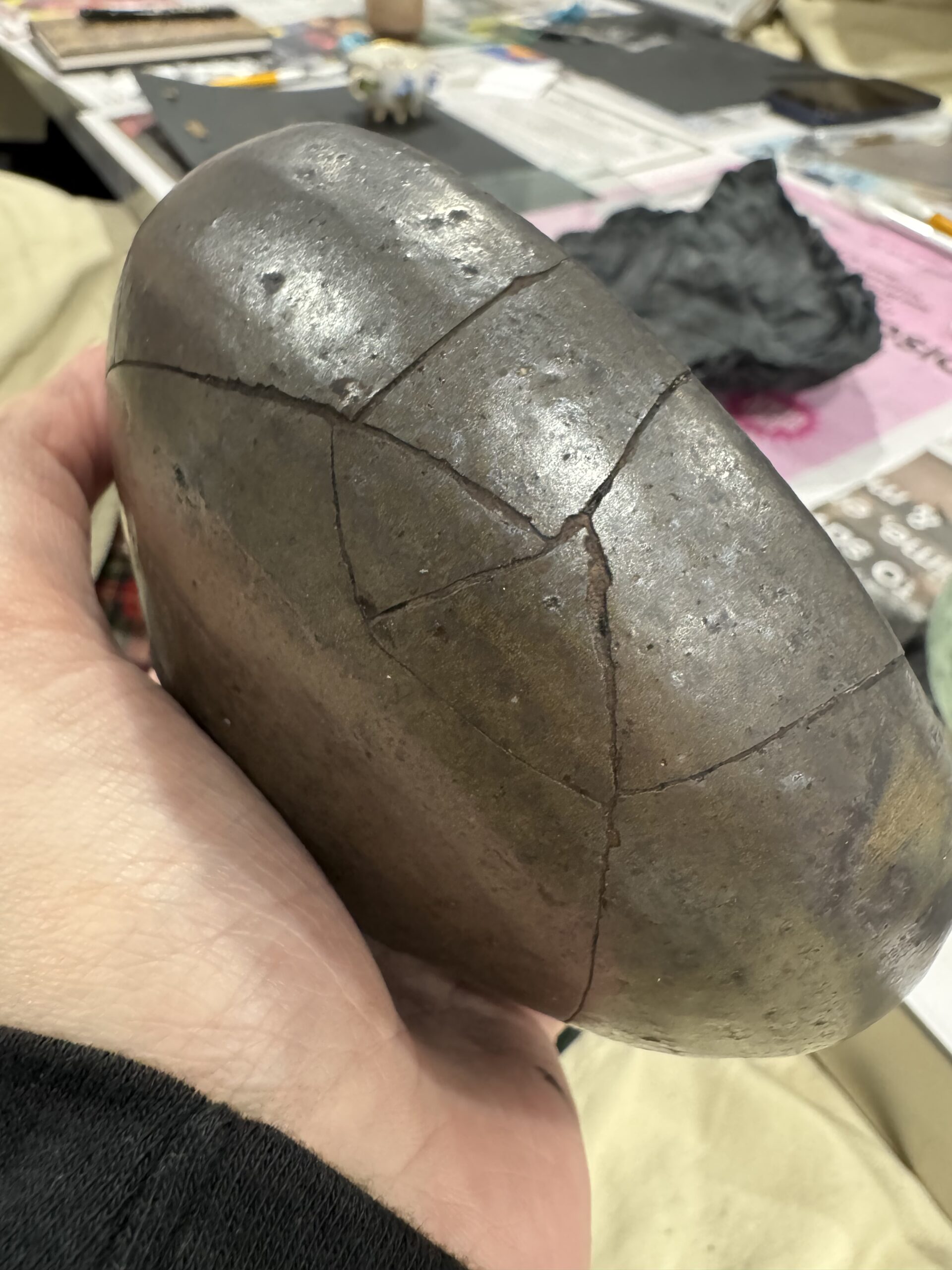
Participants may bring their own broken ceramic piece or work with a sourced vessel. Pieces should have a manageable break and not too many fragments. Those unsure about whether a piece is suitable are encouraged to contact County Hall Pottery for advice before the course begins.
What You Can Expect
Week 1
Participants will be introduced to the history, philosophy, materials, tools, and safety considerations of traditional kintsugi. Kira will demonstrate how to assess a broken vessel, prepare surfaces, understand the structure of the break, and plan the repair process. Participants will begin preparing their chosen piece and learning how to handle urushi-based materials safely.
Week 2
Participants will continue preparation and begin the first stages of bonding. This session will focus on careful alignment, patience, and understanding how to hold fragments in place while maintaining the integrity of the vessel. Kira will provide individual technical guidance throughout.
Week 3
Participants will continue building the repair structure, refining joints and strengthening the piece. Demonstrations will focus on the slow layering process, curing considerations, and troubleshooting common challenges such as gaps, uneven joins, and delicate edges.
Week 4
This session will focus on filling, shaping, and refining the repaired seams. Participants will learn how to build up missing areas and create a stable foundation for later finishing stages. Discussion will include the relationship between function, visibility, and aesthetic decision-making in kintsugi.
Week 5
Participants will continue refining the surface of the repair, working carefully to prepare the seams for finishing. Kira will demonstrate techniques for smoothing, cleaning, and assessing the repair before the decorative stages begin.
Week 6
This session will introduce the transition from structural repair to surface finish. Participants will learn how to prepare lacquer seams for gold application and will discuss the visual and symbolic role of gold in traditional kintsugi.
Week 7
Participants will begin the gold finishing process, applying real precious metal to the repaired seams under Kira’s guidance. This stage requires focus, delicacy, and careful timing, and participants will be supported through each step.
Week 8
Participants will continue polishing, refining, and correcting their gold seams. This session will focus on achieving a considered finish, resolving any uneven areas, and understanding how small adjustments affect the overall presence of the repaired vessel.
Week 9
The final session will focus on finishing, review, and reflection. Participants will complete their repaired vessel, discuss care and use, and reflect on the full process from broken object to restored, food-safe, usable piece. There will be time for group discussion, questions, and sharing outcomes.
What Participants Will Learn
By the end of the course, participants will have learned:
-
- The full traditional kintsugi process from preparation to final gold polishing
- How to assess, prepare, and repair a broken ceramic vessel
- How to work safely with urushi lacquer and specialist kintsugi materials
- How to bond, fill, refine, and finish ceramic repairs using traditional methods
- How to apply real precious metal powder onto lacquer seams
- How to troubleshoot common challenges in ceramic repair
- The cultural, historical, philosophical, and material context of kintsugi
- How patience, care, and time shape the repair process
What Participants Will Take Away
Participants will take away:
-
- One complete repaired ceramic vessel
- A food-safe and usable finished piece, depending on the suitability of the original ceramic object
- Practical experience of the full traditional kintsugi process
- An understanding of urushi lacquer, differences in precious metal powders, and traditional repair methods
- A deeper appreciation of the philosophy of kintsugi and the beauty of repaired objects
- The confidence to understand the stages involved in future kintsugi work
Skill Level
Suitable for: All levels
Skill level notes:
No prior kintsugi or ceramics experience is required. Beginners are welcome, though the course requires patience, focus, and a willingness to work slowly and carefully over several weeks. This is an intensive process-led course and is best suited to participants who are comfortable with detailed, delicate handwork.
Materials and Equipment
Materials included:
The work will be repaired using traditional kintsugi materials, including urushi lacquer. Participants may choose to finish their piece with gold or silver. As the cost of gold and silver fluctuates, these materials are not included in the course fee and will be charged separately at the current market rate on the day they are used.
Tools or specialist equipment required:
All specialist kintsugi tools and materials needed for the course will be supplied.
Participants should bring:
Participants may bring their own broken ceramic vessel or work with a sourced piece. If bringing your own piece, please choose a manageable break with not too many fragments. Participants are also encouraged to bring an apron, notebook, and any questions about the process. Those unsure whether their ceramic piece is suitable should contact County Hall Pottery for advice before the course begins.
About the Teacher
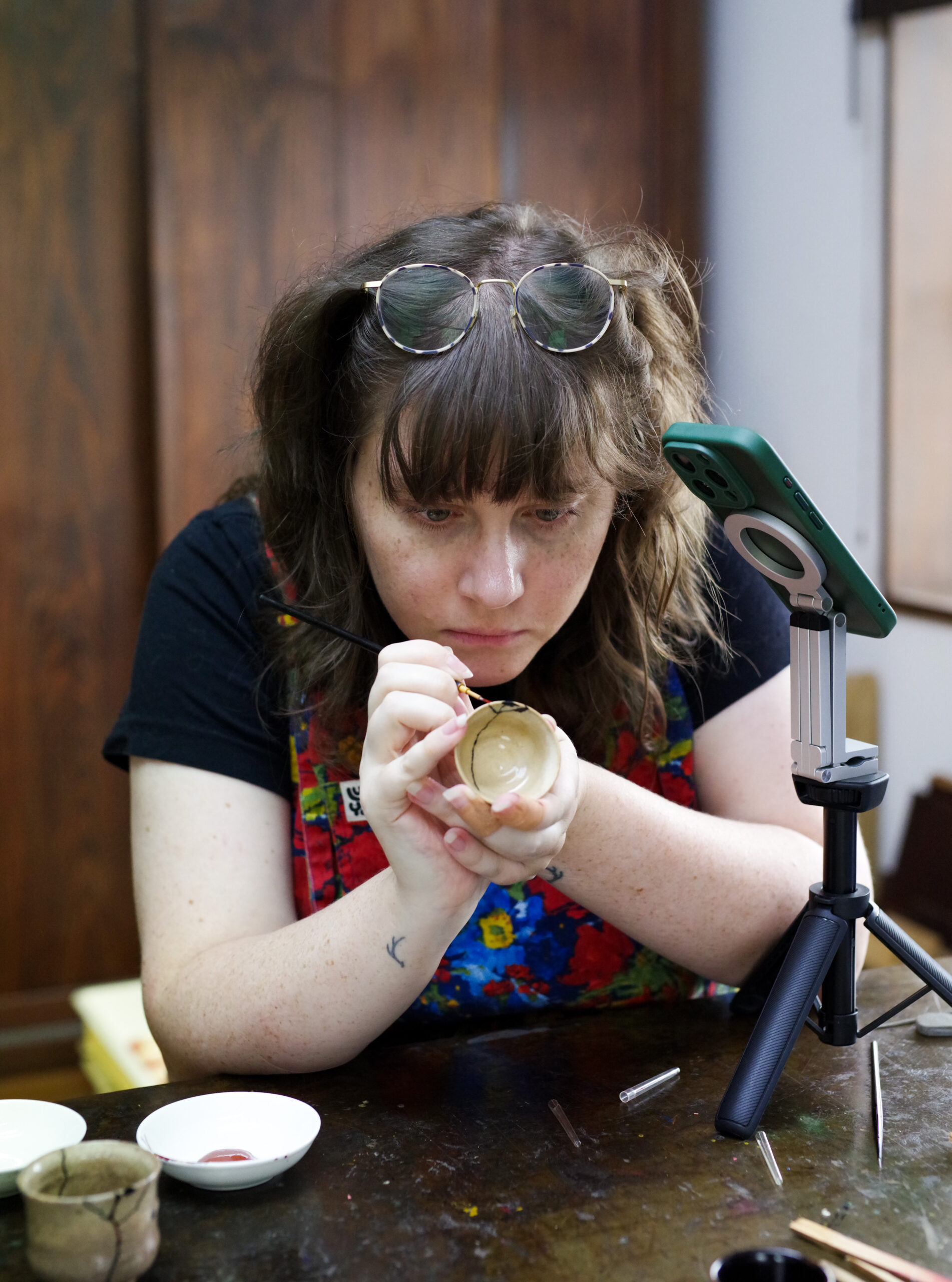
Kira Smith has been practising kintsugi for almost a decade, beginning as a self-taught maker and developing into a craftsperson deeply committed to traditional methods. Her work is rooted in patience, care, and respect for the life of objects, with a particular focus on the philosophy and material discipline of kintsugi.
In 2025, Kira will undertake intensive training in Japan, supported by a Developing Your Creative Practice grant from Arts Council England. While this workshop is independently run, this training will further deepen the tools, techniques, and insights she brings to her teaching in London.
This course marks Kira’s first fully traditional kintsugi programme, building on years of teaching experience. Students often describe her as patient, open, and reassuring: a teacher who makes this intricate craft approachable while holding space for its depth. Previous participants have praised her infectious passion, extensive knowledge, and carefully prepared sessions, as well as the patience and care she brings to guiding students through the process.
Key Information / Practical Details
Dates: Saturday 26 September – Saturday 21 November
Times: 10am–1pm each Saturday
Location: County Hall Pottery, Belvedere Road, Waterloo, London, SE1 7PB
Duration: 9-week masterclass
Class size: Maximum 10 students
Skill level: All levels
Materials: Included (metal to be purchased separately)
Early Bird price: £450 (Until 01.09.2026)
Price: £500 per person
Optional Additional Information
This course preserves the complete traditional kintsugi method, offering a slow, precise, and deeply rewarding alternative to more modernised repair workshops. Participants will work in a small group of no more than 10 students, ensuring dedicated individual attention throughout the process.
The workshop is held in person at County Hall Pottery, a studio designed for focus, care, and creativity. The course connects practical repair with cultural history, material knowledge, and philosophical reflection, allowing participants to experience kintsugi as both a craft and a way of thinking about transformation.
Health and safety note:
Urushi lacquer is a strong allergen and is related to the active compound found in poison ivy. It is highly reactive and can cause significant skin irritation or allergic reactions. Those who react strongly to poison ivy or poison oak, or who have a cashew allergy or related sensitivities, may be at higher risk and should consider whether this course is suitable. PPE will be provided, proper ventilation will be used, and participants will be required to sign a waiver before taking part.
Testimonials:
“Kira’s infectious passion for kintsugi, extensive knowledge, and beautifully prepared sessions created a captivating learning environment.” – ClassBento
“She guided us with so much patience, care, and passion. We left not only with our repaired pieces, but with a deeper appreciation for the beauty in imperfection.” – ClassBento