Description
Intensive Course: Large-Scale Coiling – Building a Sculptural Vessel
A Three-Day Intensive Course with Ho Lai
County Hall Pottery, London
Dates: 23/10/26 – 25/10/26
Times: 10:00am–5:00pm each day
Price: £350 per person
Duration: Three-day intensive course
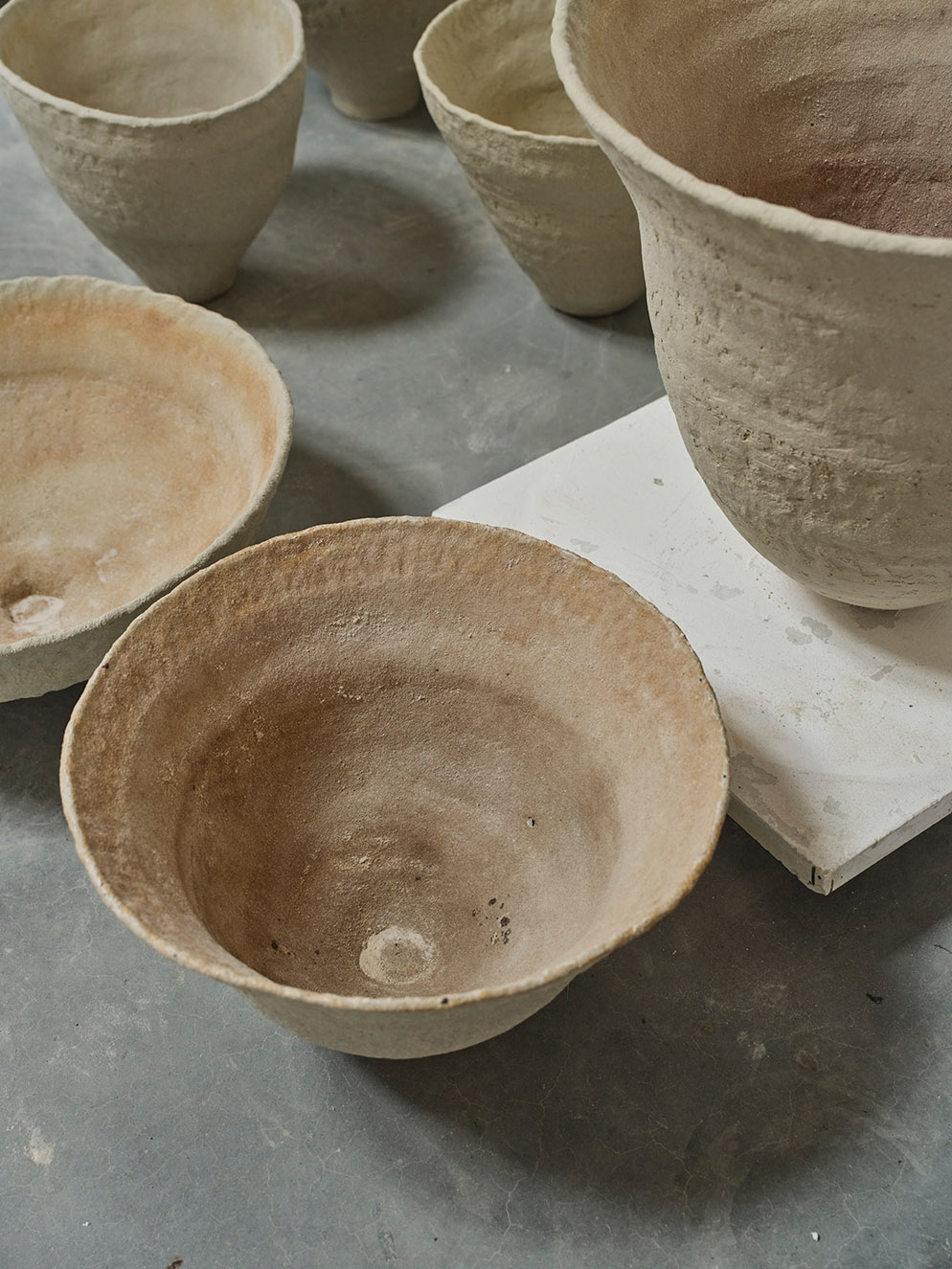
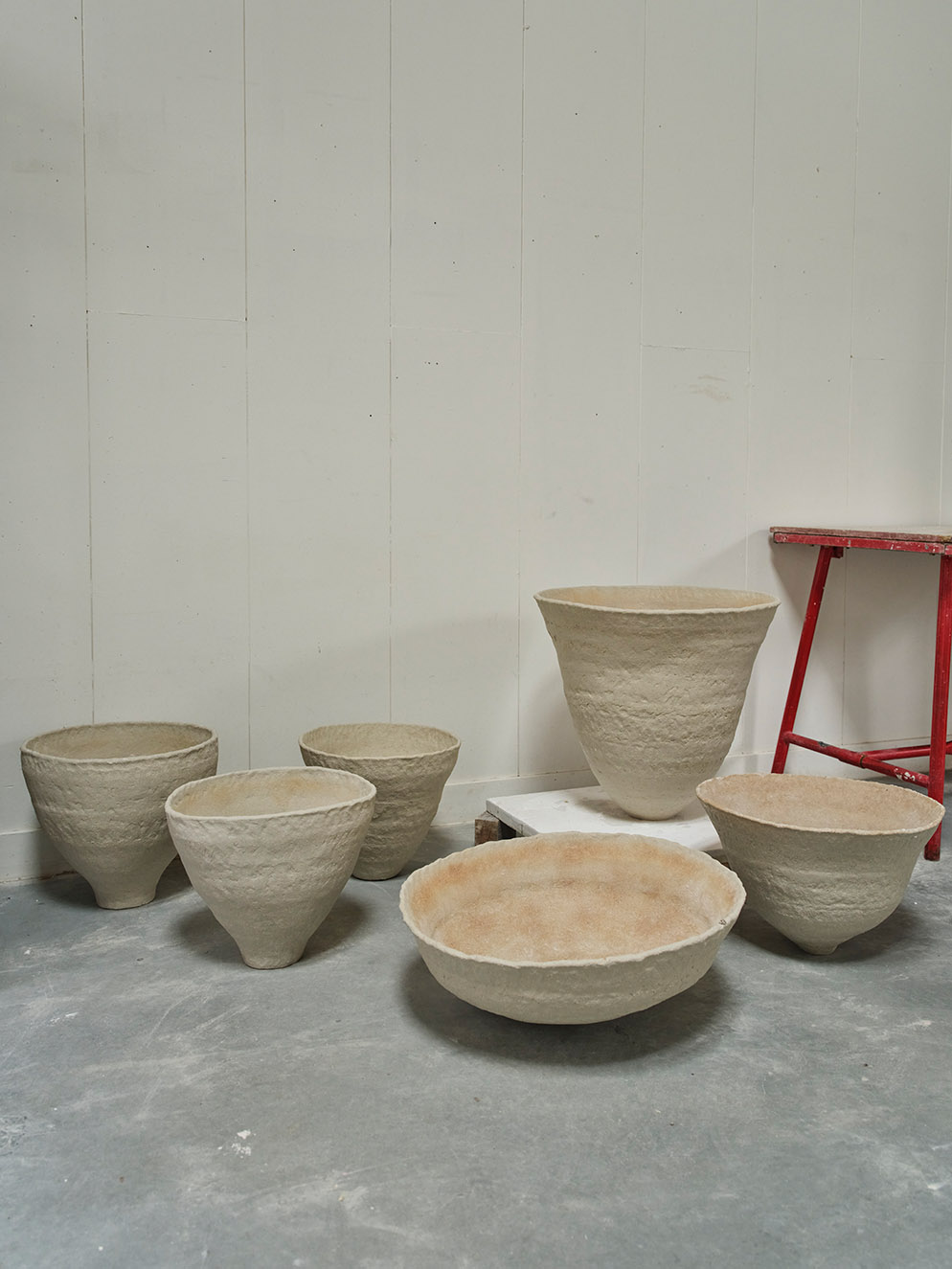
Join ceramic artist Ho Lai for an intensive three-day course focused on building one large sculptural vessel using coil construction.
Coiling is one of the oldest and most versatile ceramic techniques, allowing forms to be built gradually and intuitively without the restrictions of the wheel. It is particularly well suited to larger, asymmetrical and sculptural work, where shape can evolve throughout the making process.
Over three days, participants will develop a single substantial vessel from its initial base through to a resolved finished form. The course will explore how to build height and volume safely, control wall thickness, manage moisture, alter profiles and develop a strong relationship between structure, proportion and surface.
Rather than working towards a prescribed outcome, participants will be encouraged to develop an individual form, responding to the clay as the piece grows. Particular attention will be given to silhouette, balance, rhythm, movement and the transition between different sections of the vessel.
This intensive course is designed for participants who would like to move beyond small-scale handbuilding and gain the technical confidence to create larger, more ambitious ceramic forms.
Course Overview
This practical three-day intensive centres on the construction of one large sculptural vessel using coils.
Participants will begin by considering the proportions and overall direction of their piece before preparing a strong base and establishing the first sections of the form. [Tutor Name] will demonstrate different approaches to making, joining and compressing coils, as well as techniques for controlling wall thickness and maintaining strength while building upwards.
As the vessel develops, participants will learn how to expand and contract the profile, create changes in direction and introduce asymmetry without compromising the stability of the piece.
The course will also explore how to manage the changing moisture levels of a large handbuilt form. Participants will learn when to continue building, when to allow sections to firm up and how to support work while developing more ambitious shapes.
The final day will focus on resolving the upper section of the vessel, refining its silhouette and considering how much evidence of the making process to retain. Participants may work with paddling, scraping, compression, carving and subtle textural treatments to bring greater definition to the finished form.
Learning will take place through demonstrations, one-to-one guidance and extended supported making time, allowing participants to concentrate on one substantial piece over the full three days.
All work made during the course will be bisque fired as part of the course fee. Once fired, participants may collect their work to glaze and fire independently or book a separate Glaze Your Work session at County Hall Pottery.
What You Can Expect
Day One: Foundations, Coils and Building Volume
Morning: Planning and Beginning the Form
Participants will begin by considering the overall proportions and direction of their vessel before preparing and constructing a strong foundation.
The session will focus on:
- Developing an idea for a large sculptural vessel
- Considering scale, proportion and silhouette
- Learning to prepare a paper profile as a guide
- Creating a strong and stable base
- Preparing consistent coils efficiently
- Joining and compressing coils securely
- Establishing even and controlled wall thickness
- Understanding how the angle of each coil affects the developing form
Afternoon: Building Height and Volume
Participants will continue constructing the lower and middle sections of their vessel.
The afternoon will explore:
- Building upwards while maintaining structural strength
- Expanding forms outwards to create volume
- Controlling the weight of the clay
- Developing gradual and more dramatic changes in profile
- Working with symmetry and asymmetry
- Supporting the form while building
- Managing moisture as different sections begin to firm
By the end of the first day, participants will have established the main direction and lower structure of their vessel.
Day Two: Developing the Sculptural Form
Morning: Expansion, Contraction and Movement
The second day will focus on developing the form beyond a simple cylinder or rounded vessel.
Participants will explore:
- Expanding and narrowing the profile
- Creating changes of direction
- Building curves and more complex silhouettes
- Introducing asymmetry and movement
- Correcting and adjusting forms while they are still workable
- Maintaining consistent wall thickness as the vessel grows
- Balancing visual ambition with structural stability
Afternoon: Altering and Refining the Structure
Participants will continue building while considering how the vessel works as a complete sculptural form.
The session may include:
- Paddling and compressing sections of the vessel
- Pushing and manipulating the walls
- Creating flattened, angular or irregular areas
- Adding or removing clay to adjust the silhouette
- Developing transitions between different sections
- Assessing the vessel from multiple viewpoints
- Deciding how and where the form should begin to close
Individual guidance will help participants resolve the proportions and direction of their work before moving into the final stage of construction.
Day Three: Completing and Refining the Vessel
Morning: Closing and Resolving the Form
The final day will begin with completing the upper section and resolving the overall silhouette.
Participants will explore:
- Narrowing and closing larger forms
- Developing necks, shoulders, rims and openings
- Maintaining strength as the form becomes more complex
- Refining transitions between sections
- Correcting areas of excess weight or uneven thickness
- Resolving proportion and balance
- Considering the relationship between the opening and the overall form
Afternoon: Surface and Final Refinement
The final afternoon will focus on the surface and character of the finished vessel.
Participants may explore:
- Scraping and refining the surface
- Paddling and compression
- Burnishing selected areas
- Carving and incising
- Adding subtle texture
- Retaining visible coil marks and evidence of construction
- Creating contrast between refined and handmade surfaces
- Preparing the work for slow, controlled drying
The course will conclude with a group discussion of the finished pieces and consideration of how participants can continue developing larger handbuilt work independently.
What You Will Learn
- How to plan and construct a large handbuilt vessel
- How to prepare and work efficiently with coils
- How to create strong, compressed joins
- How to control wall thickness throughout a larger form
- How to build height and volume safely
- How to expand and contract a vessel profile
- How to create asymmetrical and sculptural forms
- How to manage moisture during extended construction
- How to support large work while building
- How to manipulate and alter forms using paddling and compression
- How to assess proportion, balance and silhouette
- How to close and resolve the upper section of a vessel
- How to refine or retain evidence of the coiling process
- How to prepare larger handbuilt work for safe drying and firing
What You Will Take Away
- One maximum 40 x 40 x 40cm handbuilt sculptural vessel
- Practical experience of working at a larger scale
- A deeper understanding of coil construction
- Greater confidence building height and volume
- Experience developing complex and asymmetrical forms
- An understanding of how to manage moisture and structural stability
- Greater awareness of proportion, silhouette and balance
- Techniques for refining and developing handbuilt surfaces
- The skills to continue producing ambitious coiled forms independently
Finished Work, Firing and Collection
All work made during the course will be bisque fired as part of the course fee.
Due to the scale and thickness of larger handbuilt work, pieces will need to dry slowly before firing. Bisque-fired work will therefore be ready to collect approximately four to six weeks after the course.
Participants may either take their work home to glaze and fire independently or book a separate Glaze Your Work session at County Hall Pottery.
Skill Level
Level: Intermediate
This intensive is suitable for participants with some previous experience of working with clay who would like to develop their handbuilding skills and work at a larger scale.
Previous experience of coiling is helpful but not essential. Participants should have a basic understanding of clay handling, joining and the different stages of dryness, and should feel comfortable working independently between demonstrations.
The course is particularly suitable for ceramicists who have previously made smaller handbuilt work and would like to develop the technical confidence to create more substantial sculptural vessels.
This course is not suitable for complete beginners.
What to Bring
Participants should bring:
- A notebook or sketchbook
- An apron or clothes suitable for working with clay
- Any preferred personal pottery tools
- Reference images, drawings or ideas for vessel forms, if desired
All essential studio tools and materials will be provided.
About Ho Lai
Ho Lai is a Hong Kong ceramic artist whose practice explores material transformation through an experimental and process-led approach to ceramics. Working across handbuilding, coiling, glaze and casting, she pushes ceramic materials beyond their conventional roles, investigating the boundaries between clay, glaze, glass and naturally occurring materials such as stone and wood ash. Her recent large-scale work includes hand-coiled forms that act as structures for molten glaze and stone, embracing heat, gravity and material unpredictability as part of the making process.
She holds an MA in Ceramics & Glass from the Royal College of Art and has exhibited internationally, including at the British Ceramics Biennial. Her teaching reflects the experimental nature of her practice, encouraging students to develop strong handbuilding skills while responding intuitively to form, surface and the behaviour of the material.
Key Information
Dates: 23/10/26 – 25/10/26
Times: 10:00am–5:00pm each day
Location: County Hall Pottery, Belvedere Road, London
Level: Intermediate
Experience Required: Some previous experience working with clay is required
Clay: Stoneware
Class Size: Maximum 10 participants
Materials: Clay, use of tools and bisque firing are included
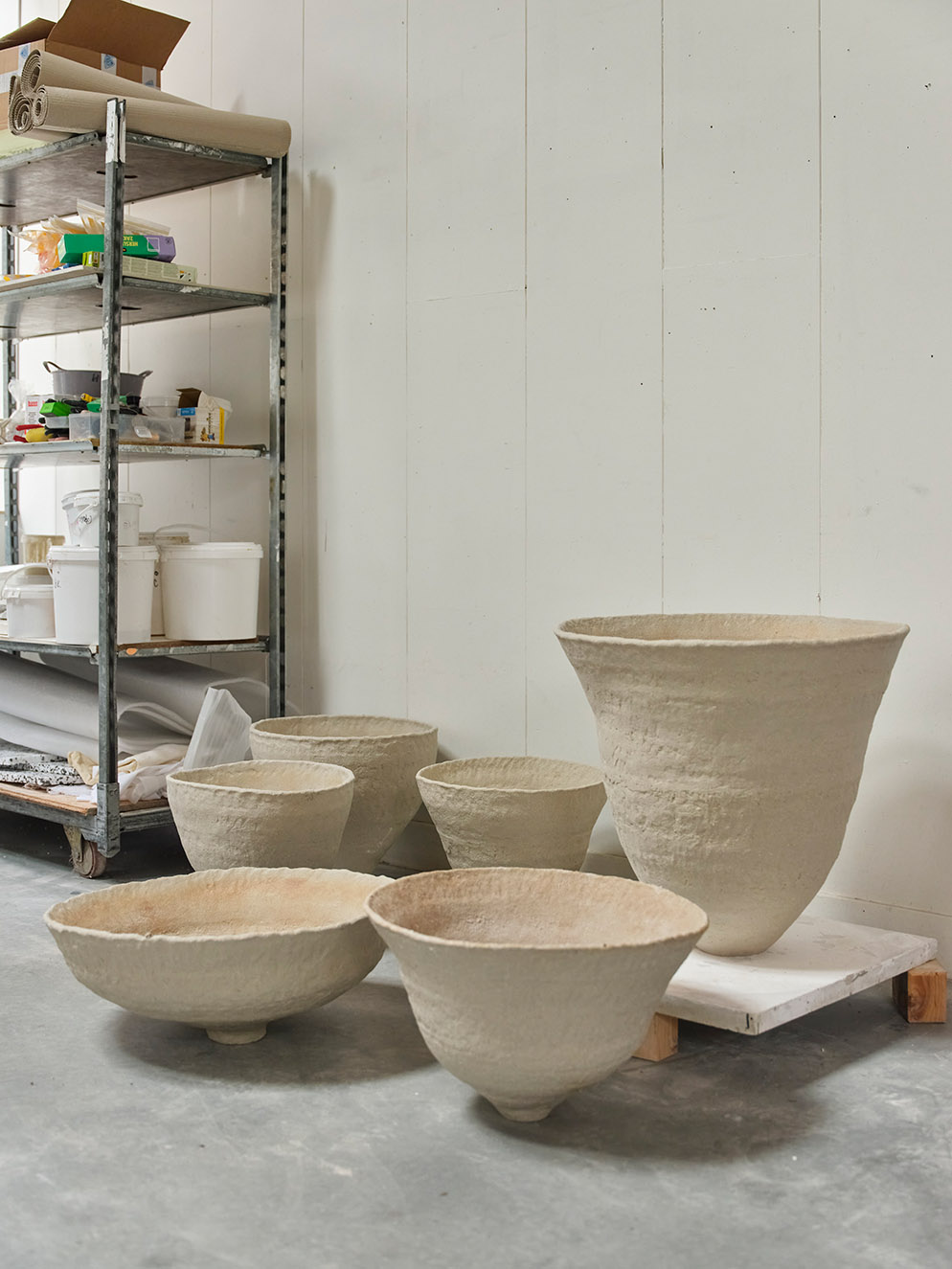
Outcome: One large sculptural coiled vessel
Optional Session: Glaze Your Work sessions are booked separately
Collection: Due to the scale of the work, pieces will be ready approximately four to six weeks after the course