
Description
-SOLD OUT-
More dates are coming soon. If you’d like to join the waiting list, please email:
gallery@countyhallpottery.com
Masterclass: Heather Gibson – Experimental Glaze & Reduction Firing Intensive
County Hall Pottery, London
Dates: Saturday 19 September, Sunday 20 September, Wednesday 23 September, Saturday 26 September
Times: 10am–5pm on Days 1–2; optional drop-in 8am–6pm on Day 3; 10am–1pm on Day 4
Duration: Three-day Masterclass, including one optional drop-in firing day
Times: 10am–5pm on Days 1–2; optional drop-in 8am–6pm on Day 3; 10am–1pm on Day 4
Duration: Three-day Masterclass, including one optional drop-in firing day
Introduction
Join ceramic artist Heather Gibson for an intensive experimental masterclass exploring reduction glazes, gas reduction firing and surface development through hands-on material testing, glaze application and firing analysis. Across the course, participants will be guided through glaze formulation, oxide testing, layering, application methods and the behaviour of ceramic surfaces within a reduction atmosphere.
This masterclass is suitable for intermediate ceramicists, artists and makers with some prior experience working with clay and glaze. It is ideal for participants who would like to deepen their understanding of glaze materials, develop confidence with reduction firing, and take a more intuitive, experimental and research-led approach to ceramic surfaces.
Course Overview
This intensive masterclass focuses on experimental glaze development and gas reduction firing. Participants will explore how glaze materials, oxides, colourants and application methods respond within a reduction atmosphere, building a practical understanding of glaze behaviour through systematic testing and observation.
The course combines practical making, glaze mixing, material testing, demonstrations, group discussion, kiln preparation, firing observation and final analysis. Participants will work with a range of glaze bases and colourants to create a personal library of test tiles, layered surfaces and experimental samples that can feed back into their own studio practice.
The emphasis is on research and development rather than finished outcomes. Through glaze formulation, oxide testing, layering, mark making, surface texture and firing analysis, participants will be encouraged to take risks, ask questions and build a more adventurous relationship with ceramic materials.
What You Can Expect
Day 1 — Glaze Making & Material Testing
Saturday 19 September
10am–5pm, including 1-hour lunch break
10am–5pm, including 1-hour lunch break
The first day will introduce participants to reduction firing, glaze chemistry fundamentals, traditional and contemporary reduction glaze recipes such as Celadon, Tenmoku, Chun and Copper Red.
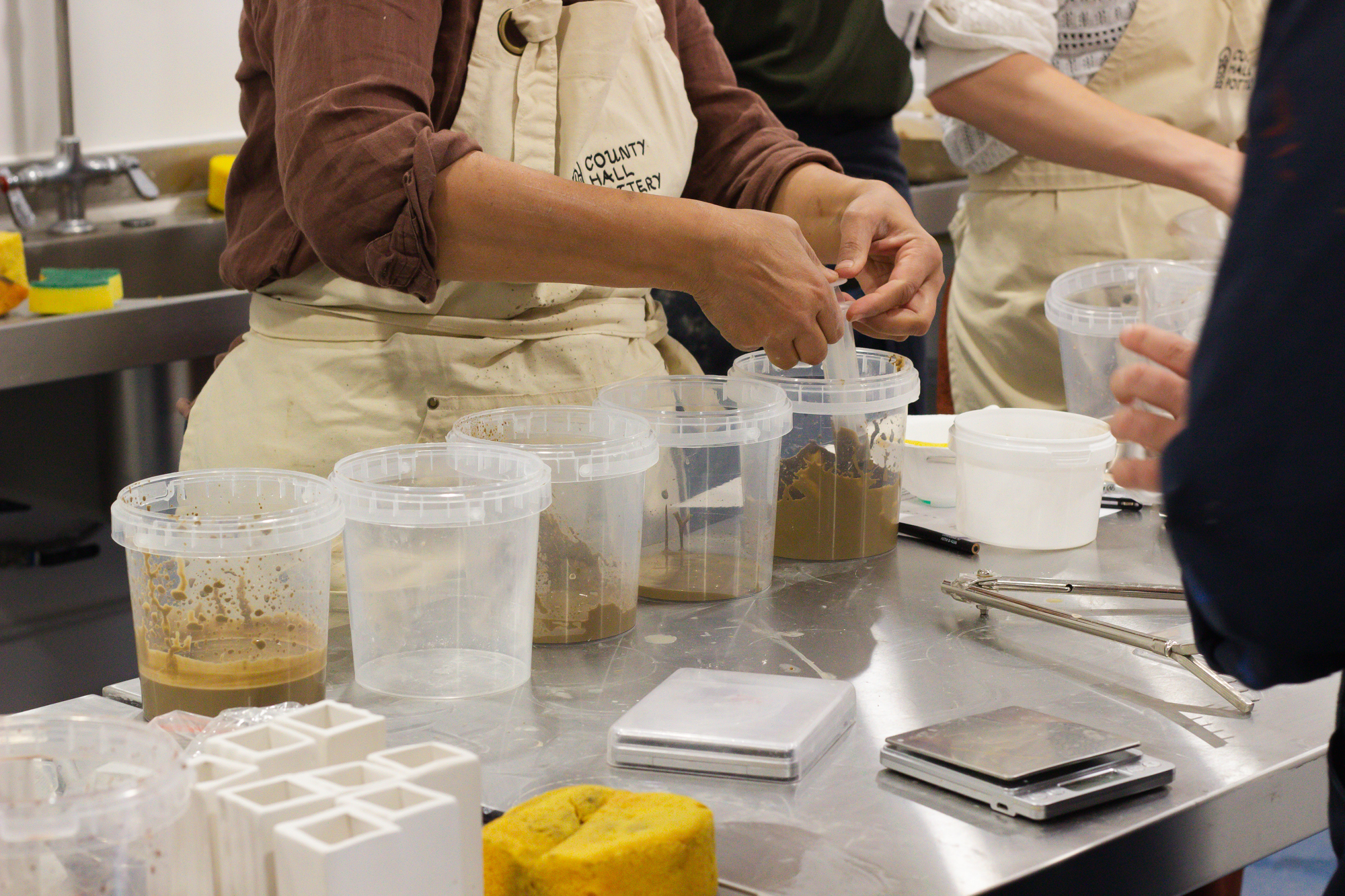
Participants will work collaboratively in pairs to mix and test a series of glaze bases, including:
- Feldspathic glaze
- Magnesia glaze
- Alkaline glaze
- Ash glaze
- Crackle glaze
- Slip-based glaze (Shino)
Each base glaze will be used to create a series of oxide and colourant tests. Participants will explore ceramic colour response through systematic experimentation using materials such as red iron oxide, copper carbonate, rutile, cobalt carbonate, titanium dioxide, and zirconium.
The day will also include layering and test tile development, with a focus on:
- Selecting glaze pairings
- Recording and documenting results
- Matte, satin and glossy surface interactions
- Glaze thickness and application variation
- Opacity, transparency and breaking colour
Day 2 — Glaze Application, Experimentation & Kiln Preparation
Sunday 20 September
10am–5pm, including 1-hour lunch break
10am–5pm, including 1-hour lunch break
On Day 2, participants will use the glazes developed on Day 1 to create layered glaze tests and experimental surfaces on bisque-fired forms and tiles. The day will focus on practical surface experimentation, demonstration and individual guidance.
Participants will explore:
- Glaze layering
- Surface texture
- Thickness and application variation
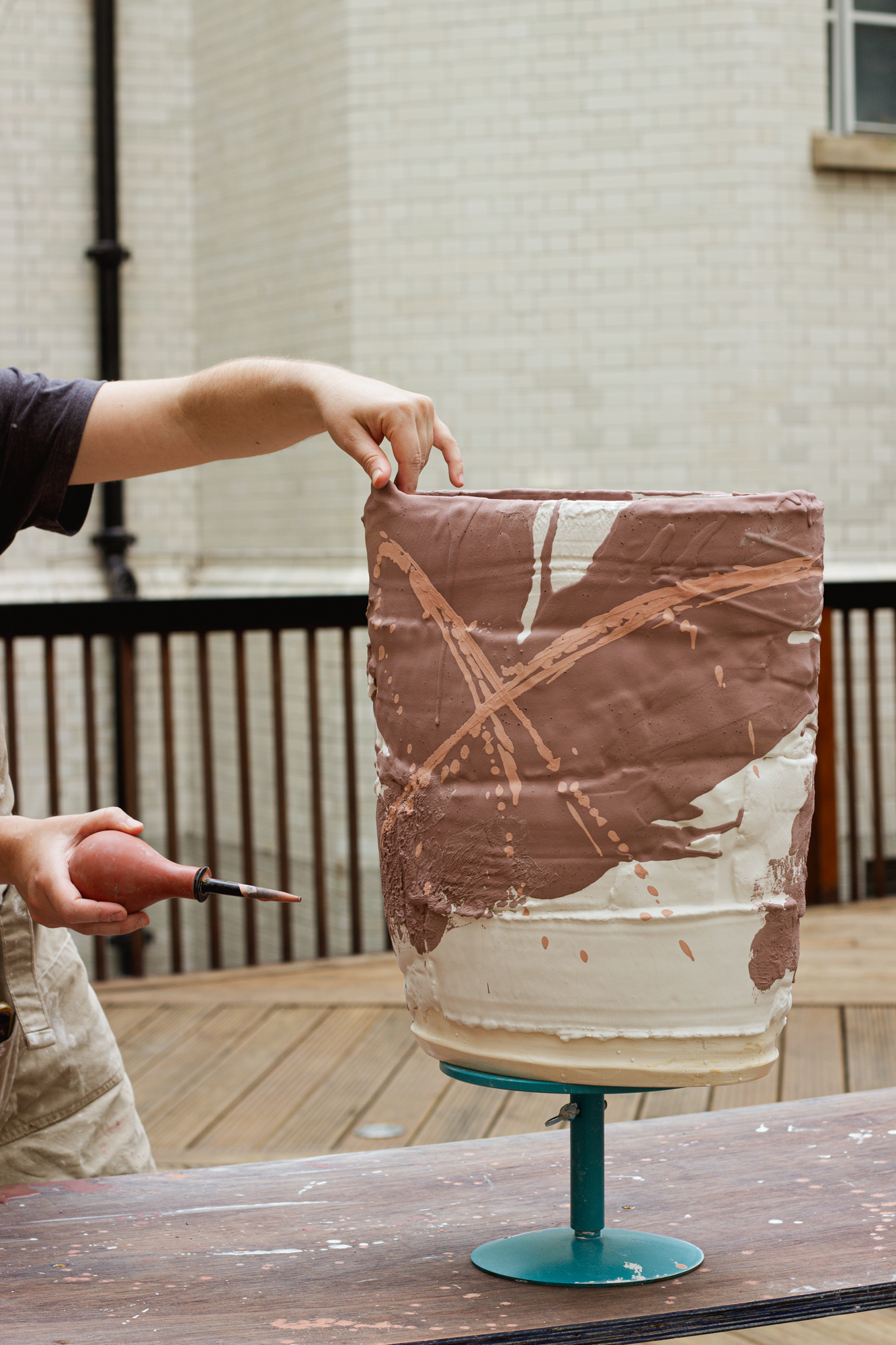
- Mark making and resist techniques
- Surface response within reduction firing
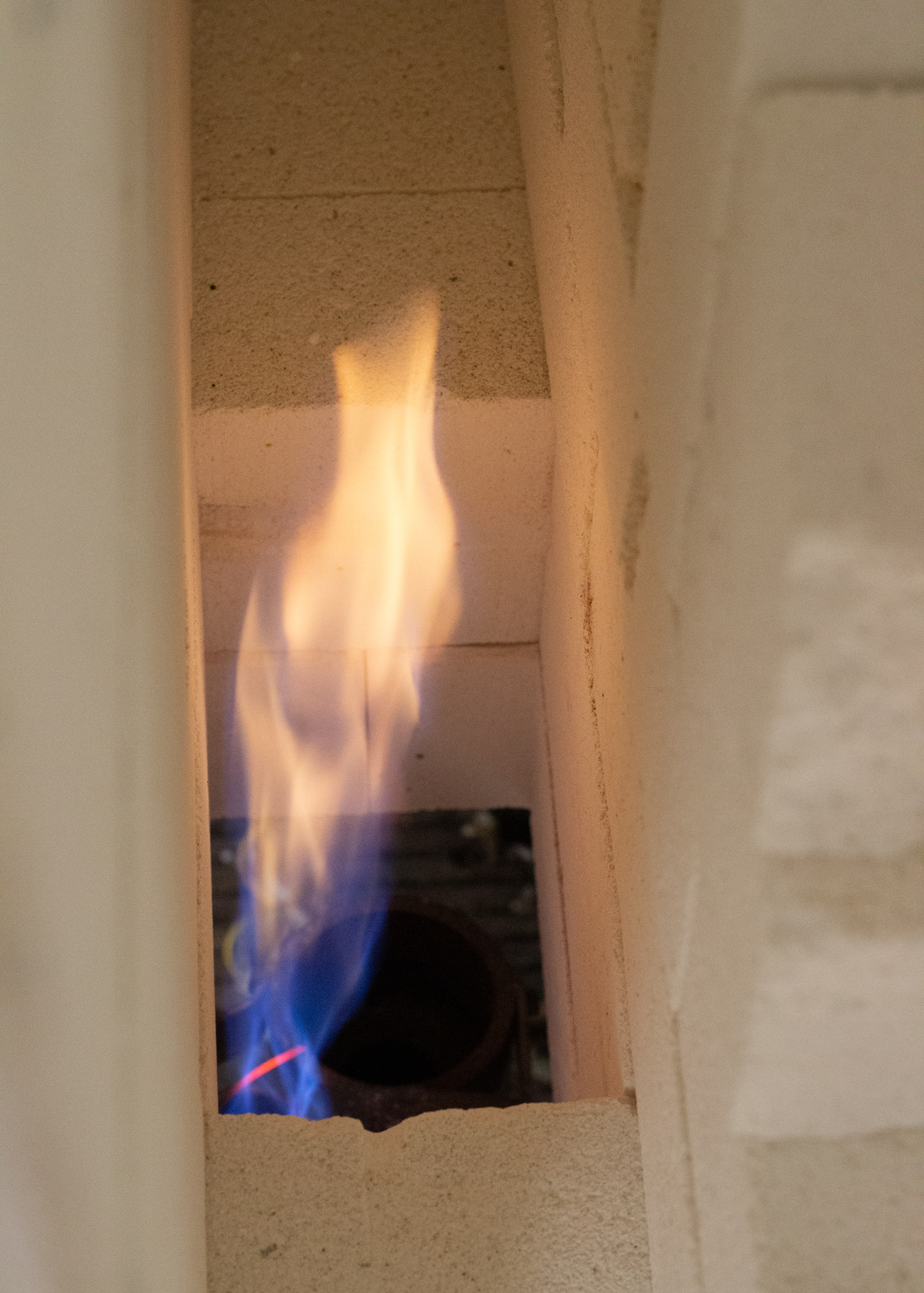
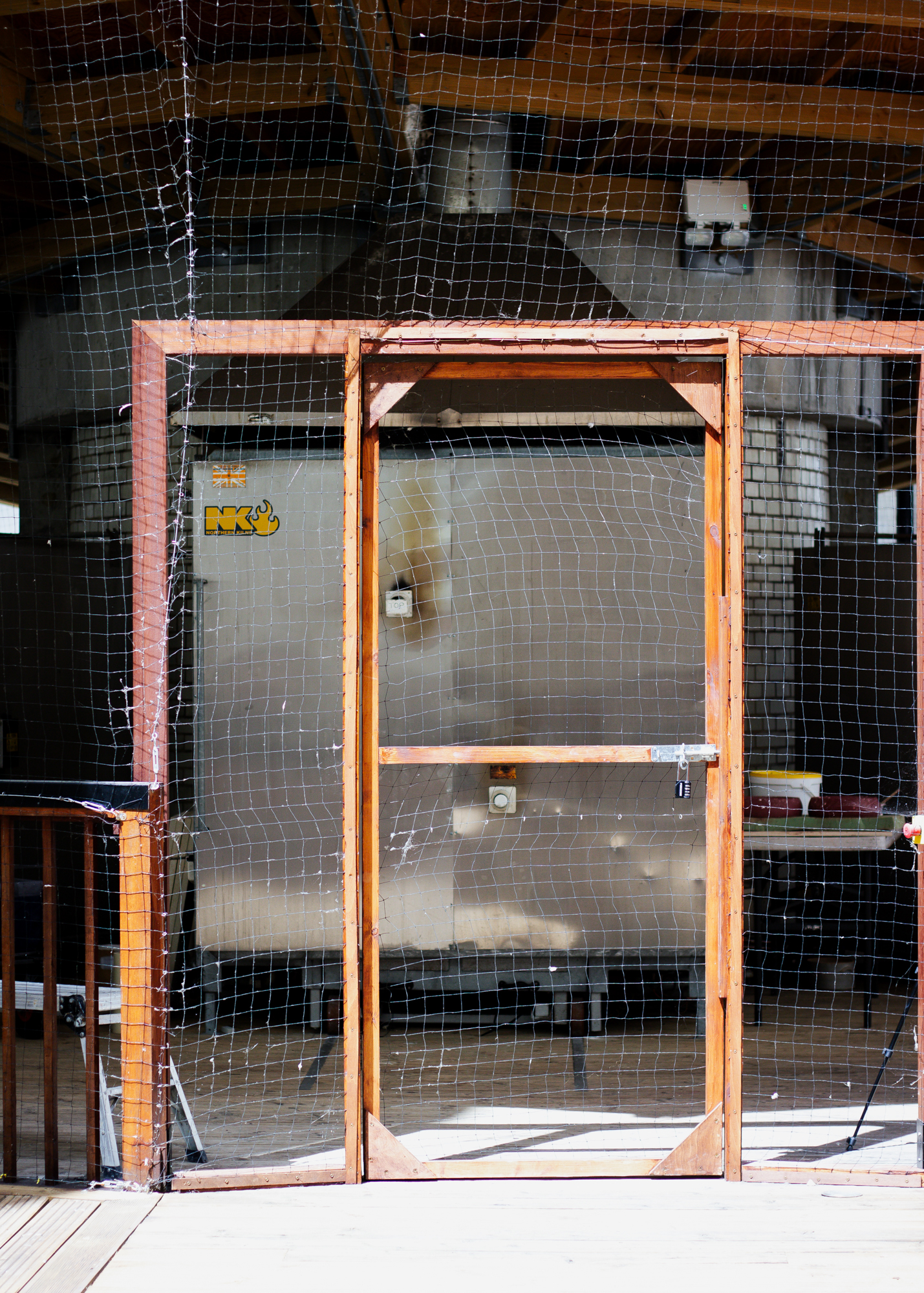
The second part of the day will focus on gas kiln preparation and kiln packing. As a group, participants will discuss the principles of reduction firing, kiln loading techniques, placement and atmosphere, firing schedules, safety considerations and how to troubleshoot glaze behaviour.
Participants will work together to load the kiln with their tests and selected finished pieces ready for firing.
Day 3 — Optional Drop-In: Gas Firing Demonstration
Wednesday 23 September
Drop-in open between 8am–6pm
Drop-in open between 8am–6pm
Participants are invited to attend an optional gas firing demonstration and informal studio drop-in session.
This session will provide insight into:
- Operating the gas kiln
- Reduction stages and atmosphere control
- Reading cones and temperature
- Managing the firing process in real time
- Kiln behaviour and firing decision-making
Participants are welcome to observe the firing process, ask questions and follow the kiln throughout the day.
Day 4 — Kiln Opening & Analysis Session
Saturday 26 September
10am–1pm
10am–1pm
The final half-day session will be dedicated to unpacking and analysing the fired work.
Together, participants will:
- Compare reduction-fired glaze tests
- Discuss glaze movement, colour response and surface reactions
- Evaluate successful combinations and unexpected results
- Troubleshoot glaze faults and firing outcomes
- Discuss methods for continuing glaze testing independently
- Document and photograph tests
- Take part in a final group discussion
- Consider future experimentation pathways
Participants will leave with fired glaze tests, experimental surfaces and a stronger understanding of reduction firing processes and glaze development.
What Participants Will Learn
By the end of the course, participants will have learned:
- How to understand the principles of gas reduction firing and kiln atmosphere
- How to mix, test and compare different glaze bases
- How oxides and ceramic colourants behave in reduction firing
- How to develop layered glaze surfaces through systematic testing
- How glaze thickness, opacity, transparency and application methods affect fired results
- How to prepare, document and analyse ceramic glaze tests
- How to troubleshoot glaze faults and unexpected firing outcomes
- How to build a more experimental and research-led approach to glaze development
What Participants Will Take Away
Participants will take away:
- A personal collection of fired glaze and clay tests
- Experimental surface samples fired in the County Hall Pottery gas kiln
- Practical experience in glaze mixing, layering and application
- A deeper understanding of reduction firing and glaze formulation
- Documentation methods for recording ceramic tests and results
- New approaches to texture, mark making and surface development
- Confidence to continue independent glaze testing in their own studio practice
Finished Work, Firing and Collection
Will participants make physical work during the course?
Yes. Participants will create glaze tests, test tiles, layered surfaces and experimental samples. They may also glaze suitable bisque-fired pieces brought with them.
Yes. Participants will create glaze tests, test tiles, layered surfaces and experimental samples. They may also glaze suitable bisque-fired pieces brought with them.
Will work be fired at County Hall Pottery?
Yes.
Yes.
What firing is included?
Gas reduction firing in the County Hall Pottery kiln is included for test tiles, surface samples and selected suitable bisque-fired pieces.
Gas reduction firing in the County Hall Pottery kiln is included for test tiles, surface samples and selected suitable bisque-fired pieces.
Expected collection time:
Work will be unpacked and reviewed during the final session on Saturday 29 August. Any additional collection details can be confirmed by County Hall Pottery.
Work will be unpacked and reviewed during the final session on Saturday 29 August. Any additional collection details can be confirmed by County Hall Pottery.
Any size or quantity limits:
To be confirmed. Participants should bring a manageable number of bisque-fired pieces suitable for group kiln packing and reduction firing.
To be confirmed. Participants should bring a manageable number of bisque-fired pieces suitable for group kiln packing and reduction firing.
Firing and collection details:
Participants will prepare and glaze test tiles, surface samples and selected bisque-fired pieces during the course. These will be loaded into the on-site gas kiln and reduction fired at County Hall Pottery. The final session will focus on kiln opening, group analysis and discussion of the fired results.
Participants will prepare and glaze test tiles, surface samples and selected bisque-fired pieces during the course. These will be loaded into the on-site gas kiln and reduction fired at County Hall Pottery. The final session will focus on kiln opening, group analysis and discussion of the fired results.
Skill Level
Suitable for:
Intermediate
Intermediate
Skill level notes:
This course is ideal for ceramicists, artists and makers with some prior experience working with clay and glaze. Participants do not need to be experts in glaze chemistry or reduction firing, but a basic familiarity with ceramic processes will be helpful.
This course is ideal for ceramicists, artists and makers with some prior experience working with clay and glaze. Participants do not need to be experts in glaze chemistry or reduction firing, but a basic familiarity with ceramic processes will be helpful.
Materials and Equipment
Clay type:
Participants should bring suitable bisque-fired ceramic pieces. Clay body to be confirmed depending on firing temperature and kiln requirements.
Participants should bring suitable bisque-fired ceramic pieces. Clay body to be confirmed depending on firing temperature and kiln requirements.
Materials included:
- Glaze materials
- Test tiles
- Gas firing in the County Hall Pottery kiln
- Aprons
- PPE
Tools or specialist equipment required:
Specialist glaze materials, kiln access and PPE will be provided.
Specialist glaze materials, kiln access and PPE will be provided.
Participants should bring:
- Bisque-fired pieces
- A notebook or sketchbook and pen
- An object or material with a surface that inspires them
- Suitable clothes and shoes for studio work
About the Teacher
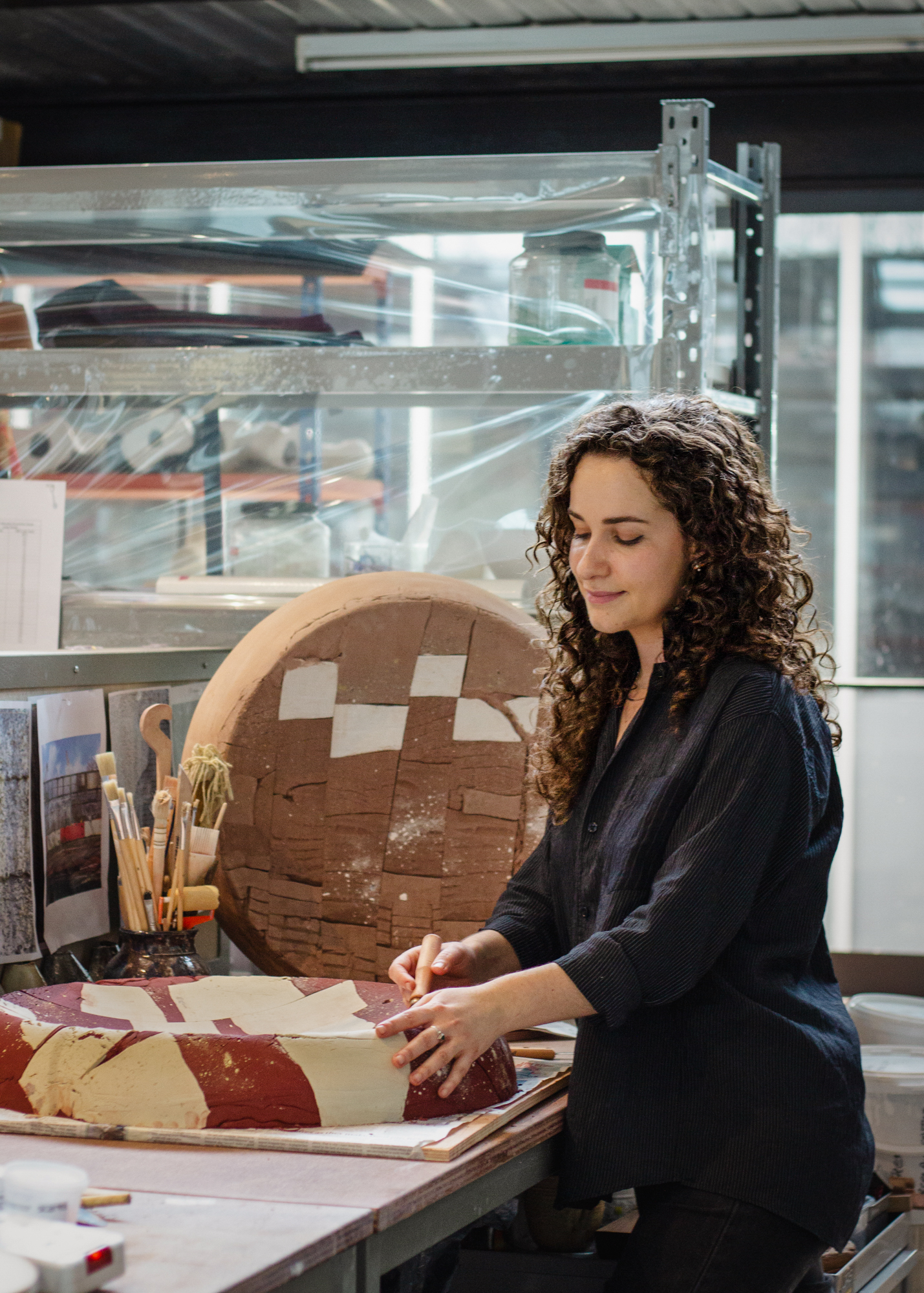
Heather Gibson is a ceramic artist whose practice explores surface, material experimentation and atmospheric firing processes. Through glaze layering, texture and reduction firing, her work investigates the relationship between process, unpredictability and material transformation.
She was the first Potter in Residence at County Hall Pottery in 2024–25, culminating in her first solo exhibition, Surfacing, in August 2025.
Heather’s teaching encourages playful experimentation alongside technical understanding. She supports students to develop confidence in glaze testing and surface exploration, helping them build an individual visual language through clay.
Key Information / Practical Details
Dates: Saturday 19 September, Sunday 20 September, Wednesday 23 September, Saturday 26 September
Times:
Day 1: 10am–5pm – Saturday 19 September
Day 2: 10am–5pm – Sunday 20 September
Day 3: Optional drop-in, 8am–6pm – Wednesday 23 September
Day 4: 10am–1pm – Saturday 26 September
Times:
Day 1: 10am–5pm – Saturday 19 September
Day 2: 10am–5pm – Sunday 20 September
Day 3: Optional drop-in, 8am–6pm – Wednesday 23 September
Day 4: 10am–1pm – Saturday 26 September
Location: County Hall Pottery, Belvedere Road, Waterloo, London, SE1 7PB
Duration: Three-day Masterclass, including one optional drop-in firing day
Class size: 8
Skill level: Intermediate
Clay type: Participants should bring suitable bisque-fired pieces; clay body to be confirmed
Materials: Included
Firing: Gas reduction firing included
Lunch break: 1-hour lunch break
Duration: Three-day Masterclass, including one optional drop-in firing day
Class size: 8
Skill level: Intermediate
Clay type: Participants should bring suitable bisque-fired pieces; clay body to be confirmed
Materials: Included
Firing: Gas reduction firing included
Lunch break: 1-hour lunch break
-SOLD OUT-
More dates are coming soon. If you’d like to join the waiting list, please email:
gallery@countyhallpottery.com
More dates are coming soon. If you’d like to join the waiting list, please email:
gallery@countyhallpottery.com