
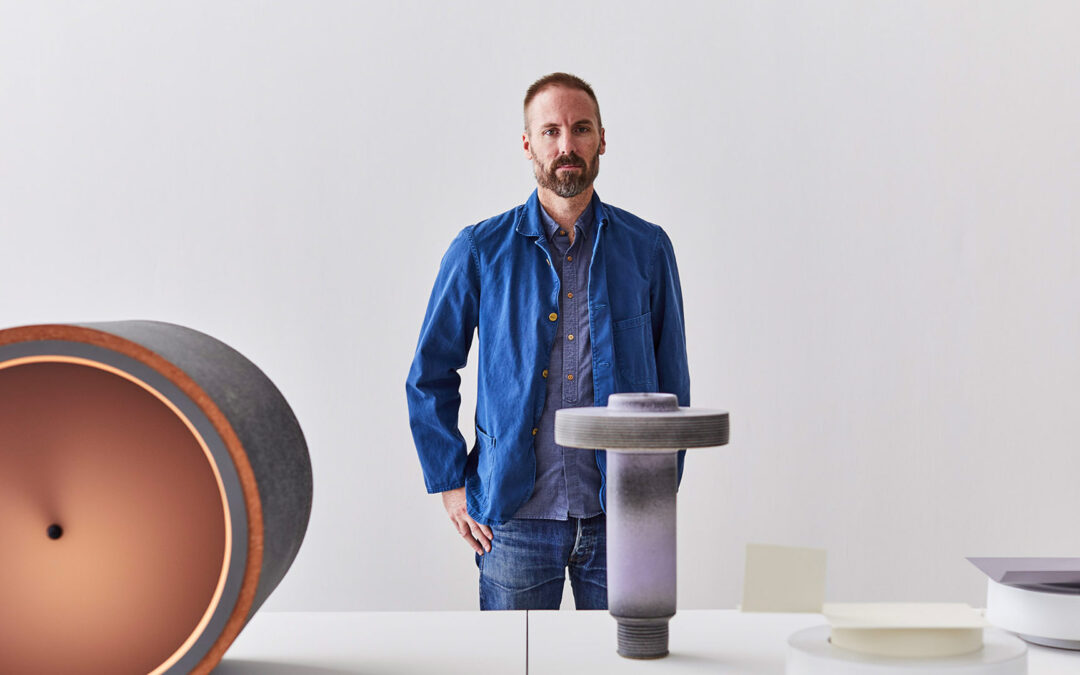
Can you start by introducing yourself and sharing an overview of your artistic practice?
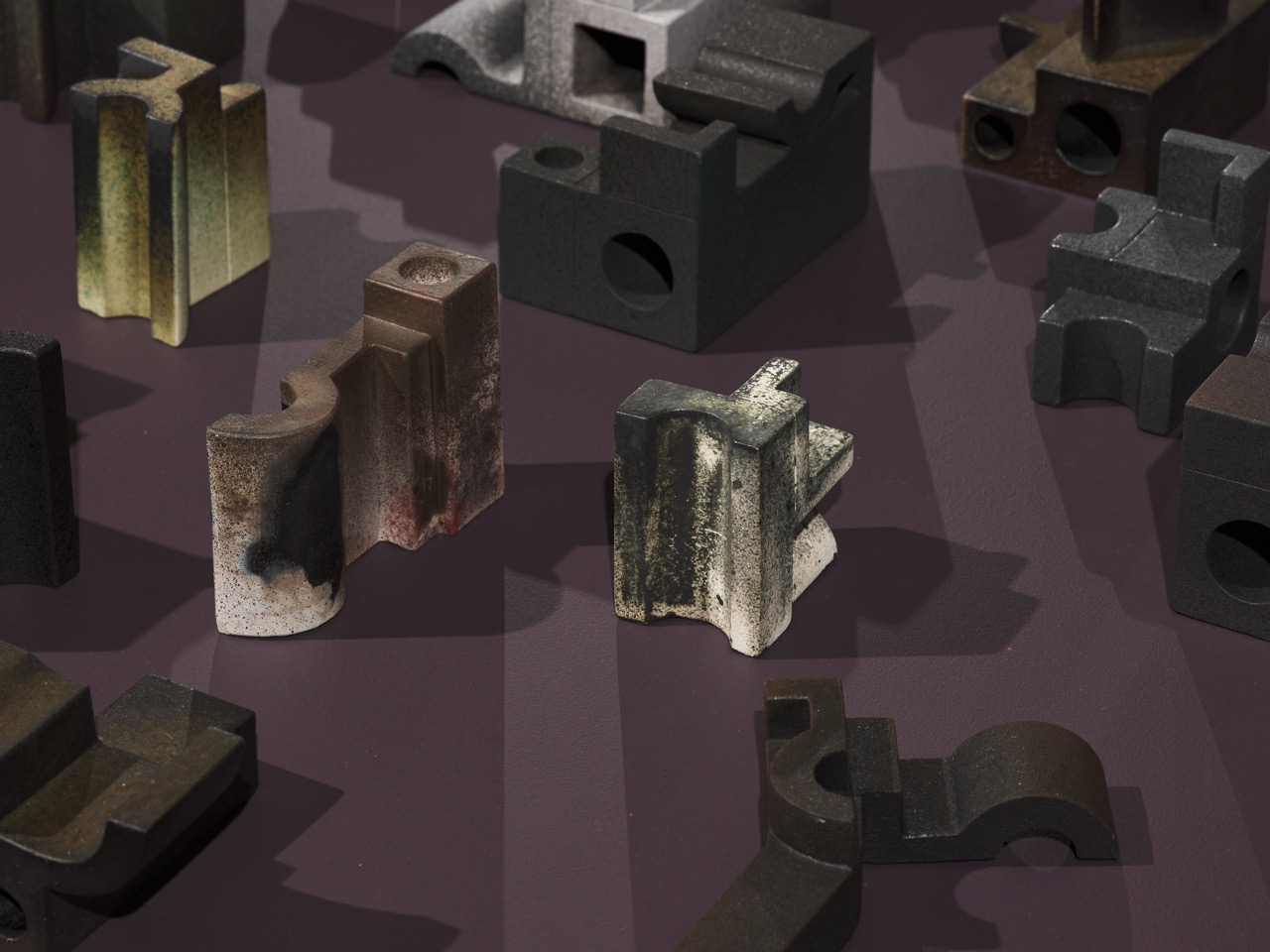
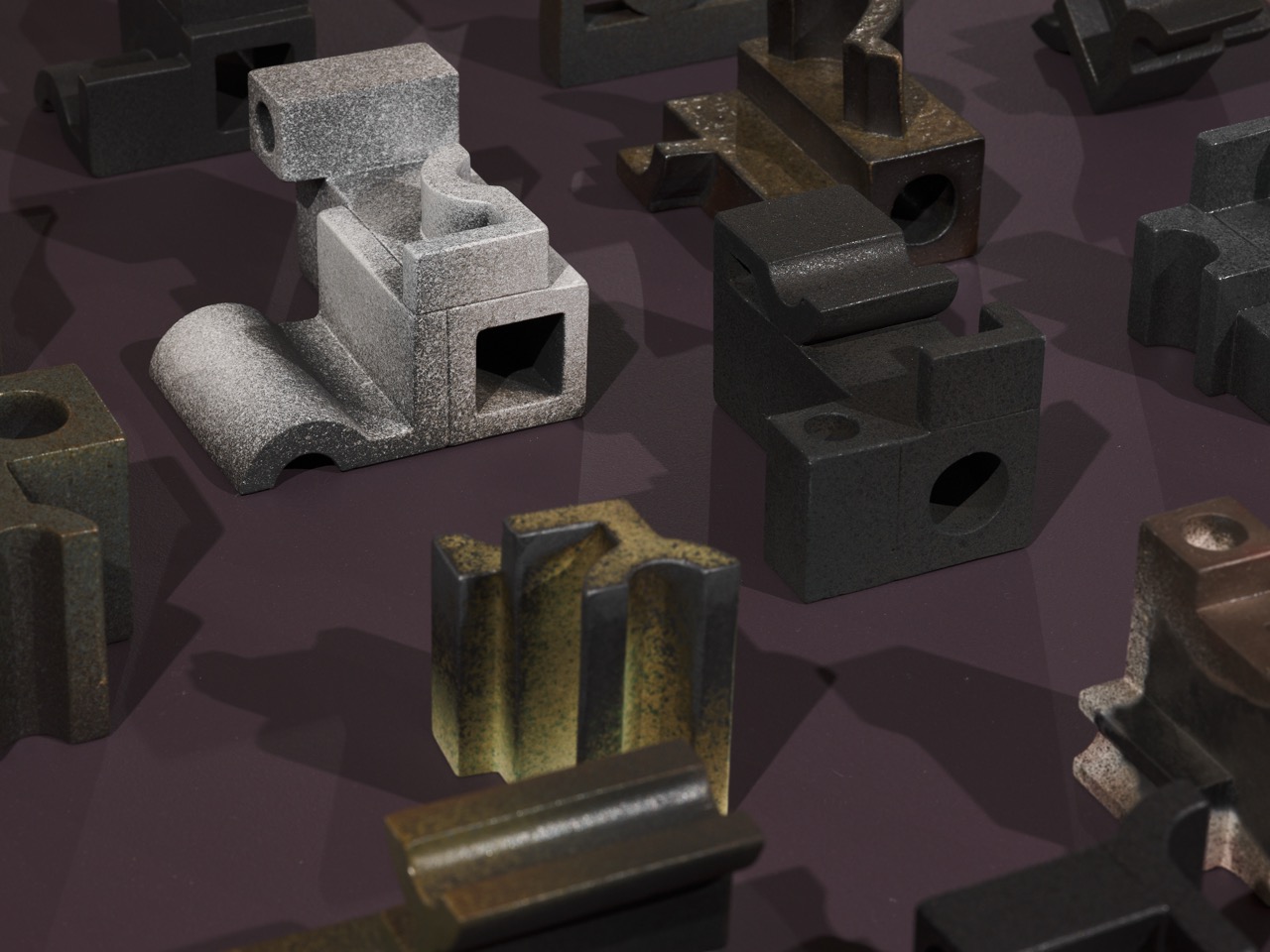
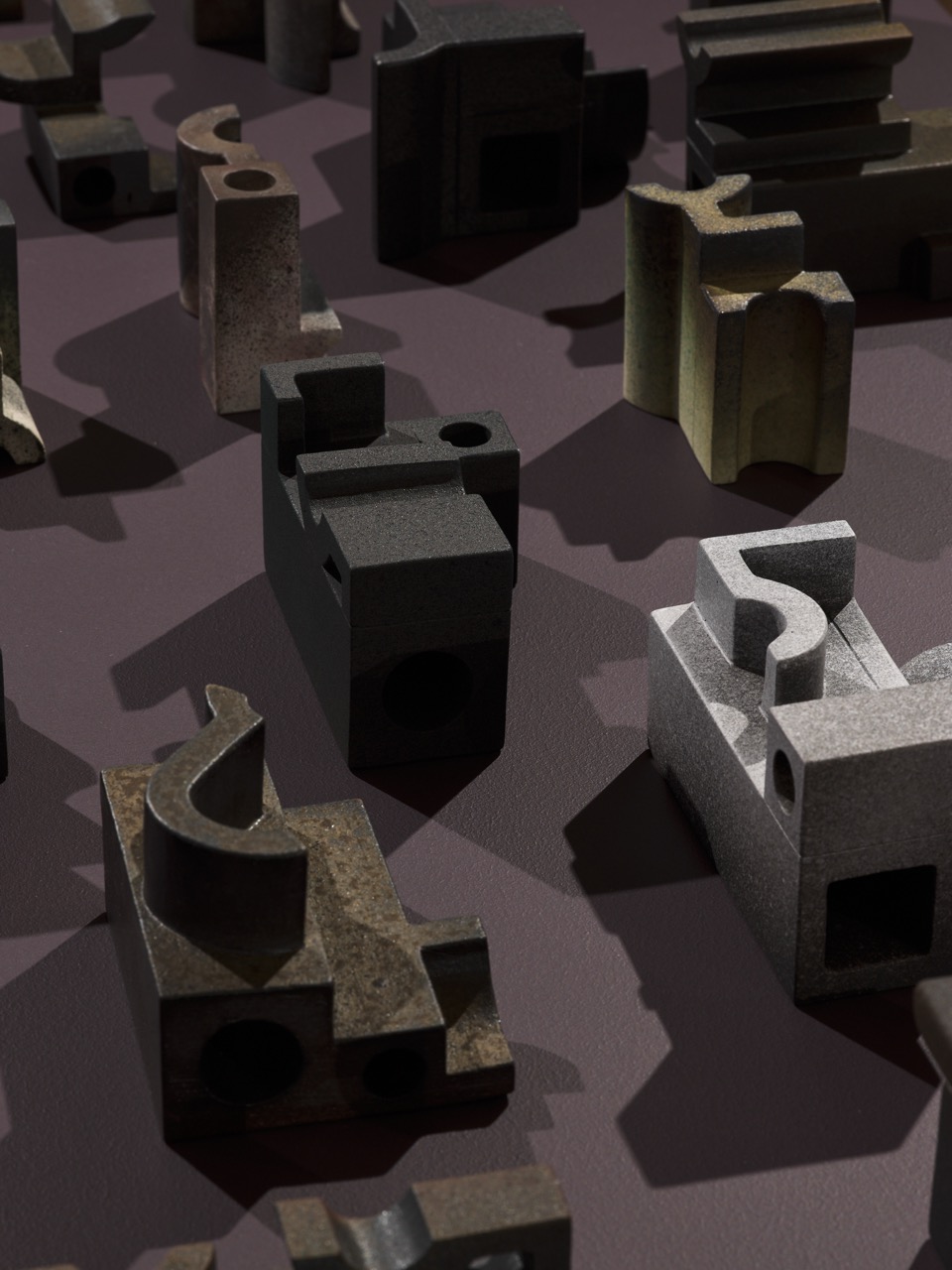
Ian McDonald. Virgo. I am currently the Artist-in-Residence and Head of the Ceramics Program at the Cranbrook Academy of Art in the United States. I’ve been involved in ceramics now for close to 30 years. I consider myself to be a studio practitioner, by which I mean I learn from the studio, my own activity and daily practice in process. I’ve always seen the act of pottery making through the lens of sculpture, seeing the wheel as a tool for shape making. I have more recently moved away from the wheel to working with extruded forms, assembled from both standard and custom made die. These forms draw from many places, Minimalism, Constructivism, Cubism, Art Nouveau, Architectural elements and details, such as handrails, hooks, handles, ambiguous parts etc. I am also a huge fan of 20th century British Studio Pottery, one of my earliest interests in ceramics.
What led you to explore ceramics? Was there a specific moment or inspiration that sparked your interest in working with clay?
I was exposed to clay at a young age mostly through pottery. In some ways it was my introduction or gateway to art and design. I still find the notion of making compelling, and while the process of making ceramics can be complicated and long, I continue to be surprised by its potential as a way to challenge my ideas and find ceramics to be the perfect process and material as a contextual back drop to larger visual discussions of art design and architecture.
How central is wood and alternative firing to your practice, and how does it shape your work?
Well, I like the word alternative. I like the idea that there are other ways to think through potentially conventional processes. I also must admit to appreciating a brief or assignment if only to interrupt it. So, what is an alternative firing? According to who? I think all processes are all full of potential, based on project perimeters, not convention. In terms of wood, I don’t really think about it. I think at this point I find myself mostly working “after ash”, meaning there are many ways to get heat and effect. I love the idea of this exhibition because we can look at it from multiple perspectives. “After Ash” meaning , after the ash settles in a firing with combustibles and wood, or “After Ash” in terms of after the necessity for manual forced combustibles and wood to produce heat. Tracing where heat and energy come from in contemporary life is another story.
Do you have an interest in the Firing process? Does the firing process affect the shape or material application of your work.
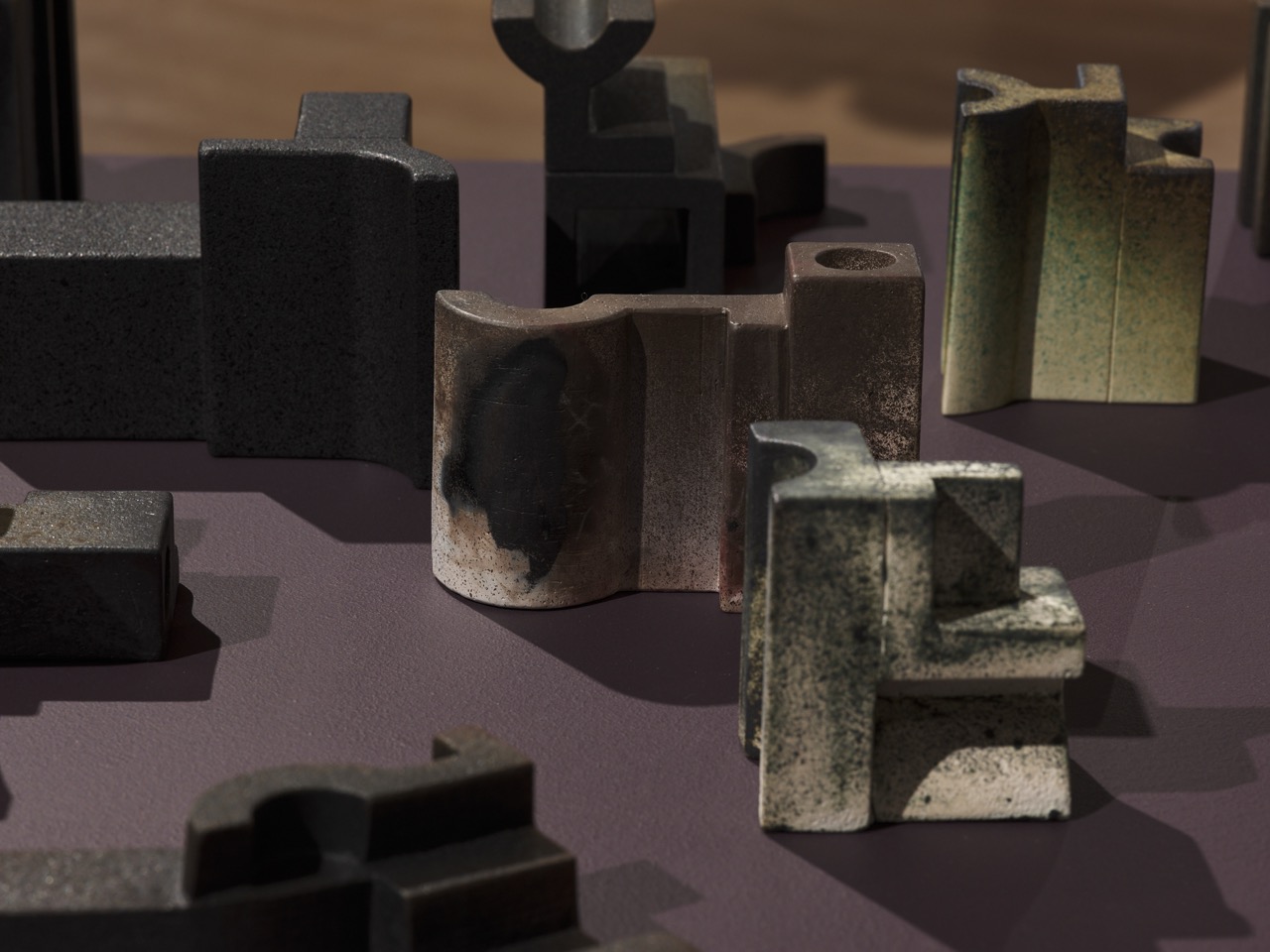
Of Course! I have taken most recently to either single firing, misting glaze for effect not coverage, or multiple firings over time. But I am suspicious of technique for technique sake. I am suspicious of process as a means to an end, or a type of niche. While we can embrace all of the magic and wonder of the firing process, we can also embrace the fact that we just need to heat things up, or melt things to transform them from clay to a ceramic material. I tend towards the questioning of process vs phenomena, or perhaps questioning whether the process is meaningful or for effect. The phenomenological aspect or alchemy of the process in my opinion also must be met with suspicion in an effort to address the diverse processing of the ceramic idea.
Do you lend into the natural uncontrollable aspect of alternative (non electrical) firings or do you design your work to lend into the effects given?
See previous answer! it’s all good! I do desire some mystery. While some artists really go deep into their chemistry, I find myself, in my process a little disenchanted by too much chemical control. Let it rip I say. I am not a scientist. Control is a type of illusion that we can work with. Like Judd might say “precision doesn’t have that much to do with it. I want my work well-made but I don’t necessarily want it made with a great deal of precision”. (I think the is from an art forum interview…)
Where do you typically find inspiration for your art? Are there particular themes or sources that resonate with you
I find a lot of inspiration from music, sound compositions etc. It’s one of my absolute day in and day out routines. I love music that can be concise and to the point, and I love long form compositions full of improve based on a core theme.
Can you walk us through your creative process, from concept to completion?
Sure. Start somewhere. Small ideas are best. Don’t quit. Trust yourself the best you can. Make some moves you find to be odd. Talk to other artists and designers. They have a lot of information. There is so much to learn in ceramics. For myself, I tend to simply get started. I chip away, day in and day out. But I’m consistent. I start with a small thought and see it all the way through. Minimal notes. Call and Response. Get some results and respond. I do of course have an end goal in mind which in some ways has been my connection to design. Must hang a coat. Must hold water etc. So theres a destination and then there’s the game.
Where do you create your work? Could you share a bit about your studio or workspace?
I live and work at The Cranbrook Academy of Art in Michigan. So, I live on a campus where I work with a cohort of MFA students. My studio is very close to my apartment, so I’m kind of always around my studio. In that way I am kind of simultaneously running a department with many moving parts and running my own studio activities. At any given time you can find me at work, sometimes wrapping things up, sometimes finishing plus starting anew, and sometimes well in the weeds. But I’m always in there.
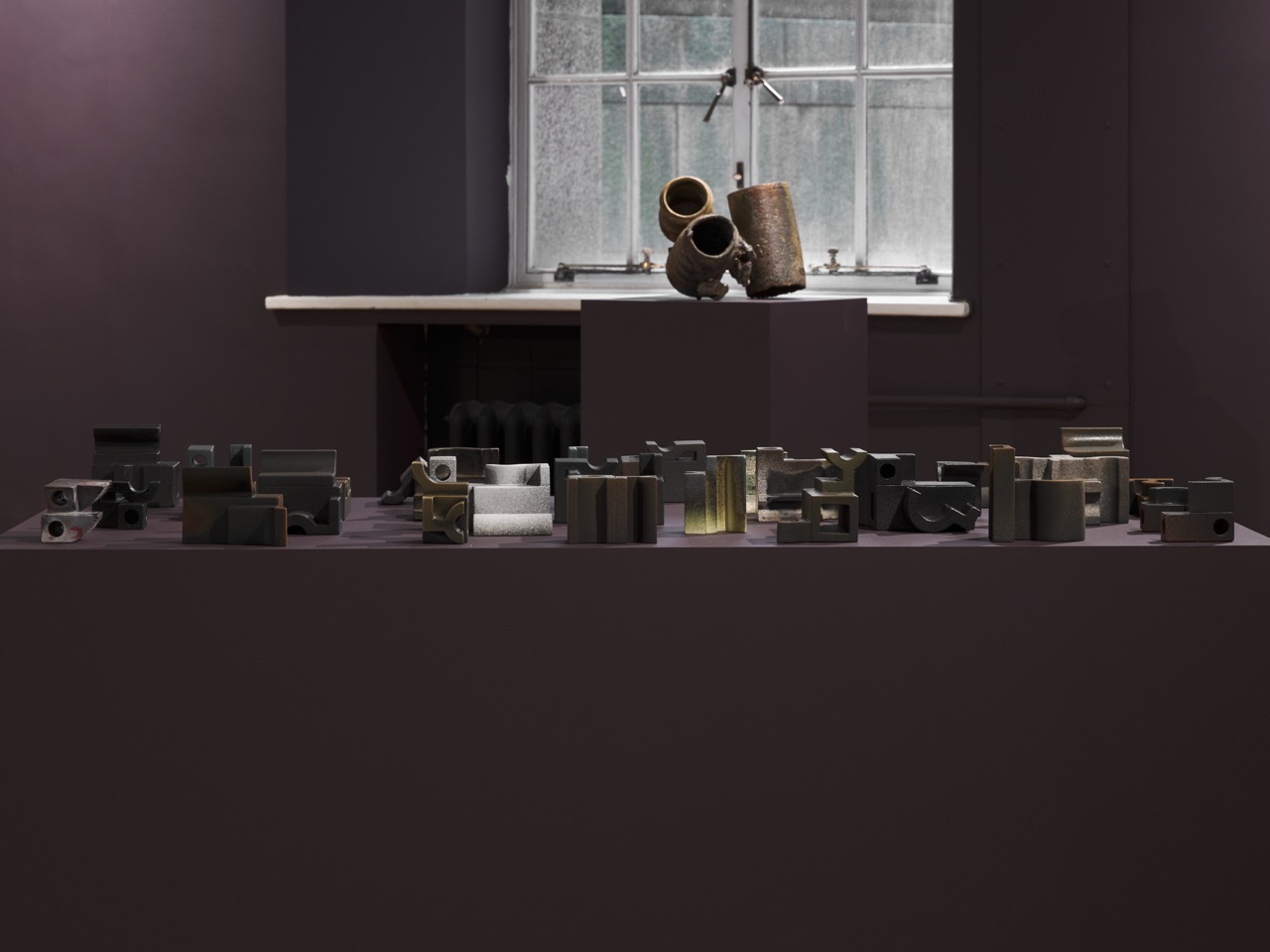
How would you describe the pieces you’ll be exhibiting at County Hall Pottery Gallery? What do you hope viewers take away from them??
These works are a continuation of my interest in architectural elements, architectural details, experiments, improvisation etc. Emma says “ Ian, don’t get caught up in the “ash” aspect of the show etc”, but… I’m all caught up in it! I’m thinking of new ways to deal with previous ways of making, to break up my own conventions! Its good! I also tried to use Michigan hardwood ash in some mid range cone 1 glazes. The pieces in the show are these results. They definitely allowed me to think through surface in a new way. Maybe some post sanding. Maybe some post sanding and then refiring?
As far as viewers, I hope they see something in themselves that resonates. Maybe its process, working with improvisation, or a type of material handling, color, a great accident, or dare I say, beauty? A great reticulated surface, maybe a surprise, like a small insight into their own making or own creative impulse.
Do you have preferred techniques or materials you work with in ceramics? What draws you to these approaches?
I’m suspicious of preferences. I’m kind of annoyed by my preferences, as I feel at times they can be limitations. That being said, I have wondered into the wilderness of terra sigillata. I find it a material full of response, like watercolor. I have been working with this material now for the past maybe 5 years. I find it really beautiful and responsive to various ways of application, firing and color. Most critically, terra sigillata has allowed me to engage with the form much earlier in the process in terms of color and surface. There is a feeling of less staging and waiting.
What are you currently working on? Are there any upcoming projects or exhibitions we should look forward to?
I will be showing in Japan in October with Play Mountain in Tokyo, a gallery and group (see Curators Cube) I have been showing with now for almost 15 years. It’s been a very important part of my artistic life. My time with County Hall and Oxford Kilns has also taught me a lot and I’m so thankful for that. I came back from London and went right back to the studio. I think there will be aspects I have gleaned from my time in London and Oxford in this show in Tokyo for sure.
View the price list for the artwork Ian is displaying and available to purchase in our After Ash exhibition here, and follow Ian on Instagram here!
To take part in a County Hall Pottery exhibition or to speak to the team, please email gallery@countyhallpottery.com.